


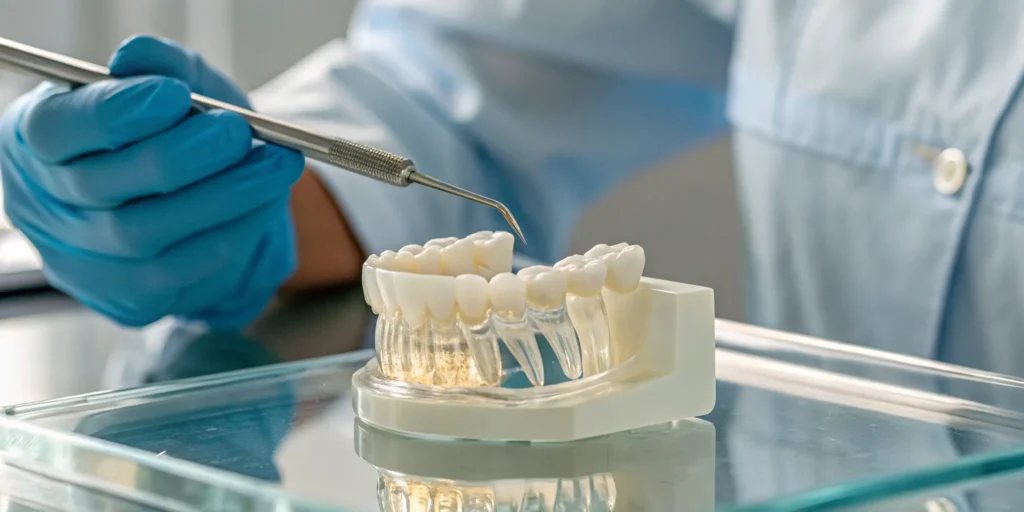
The term “bone graft” can sound pretty intense, but it’s a common and highly successful procedure that creates a strong foundation for dental implants. Your first step in understanding it all is the consultation for a dental implant bone graft. This meeting isn’t a high-pressure exam; it’s simply a conversation. It’s our opportunity to assess your needs with advanced 3D imaging and your chance to ask every question you have. Our goal is to demystify the process, making you feel completely comfortable and confident as we map out your path to a complete, healthy smile.
Key Takeaways
- A Bone Graft Is Your Implant’s Foundation: After a tooth is lost, the jawbone naturally shrinks; a bone graft is a predictable procedure that rebuilds this area to provide the essential support required for a dental implant to be successful.
- Your Plan Starts with a Detailed Consultation: The process begins with a thorough evaluation, including 3D scans, to assess your unique needs. This appointment is key for creating a personalized treatment plan and deciding which type of bone graft will provide the best results for you.
- Recovery Is Quicker Than You Think: While the bone needs months to fully heal and integrate, your personal recovery is much faster. Most people manage mild discomfort easily and are back to their normal activities within a few days of the procedure.
What Is a Dental Bone Graft (and Do I Need One?)
If you’re exploring dental implants, you may have heard the term “bone graft.” It might sound complex, but it’s a common and often essential procedure that prepares your jaw for a successful implant. Think of it as building a strong foundation for your new tooth. A dental bone graft is a predictable way to add volume and density back to your jaw where it has been lost. This ensures your implant has a solid, stable base to anchor into, setting you up for a result that looks, feels, and functions just like a natural tooth.
Why Jawbone Loss Happens After Losing a Tooth
Your jawbone stays strong because it gets a constant workout from your tooth roots. Every time you chew, you’re sending signals that tell your jaw to maintain its mass and density. When a tooth is lost, that stimulation disappears. Without its job to do, the bone in that area begins to shrink, a process called resorption. This can happen faster than you might think. Significant bone loss can occur within the first year of losing a tooth. Other issues like advanced gum disease, dental infections, or facial trauma can also contribute to a loss of jawbone structure.
When Is a Bone Graft Necessary for an Implant?
A dental implant needs to be securely encased in bone to be successful. If your jawbone is too thin or soft where the tooth was lost, a bone graft is the crucial first step. This procedure rebuilds the area so there is enough healthy bone to hold the implant firmly in place for the long term. You will likely need a bone graft if a tooth has been missing for a while, if you’ve worn dentures that have accelerated bone loss, or if bone was removed during a tooth extraction. Creating this solid foundation is essential for the success of your implant restoration.
Clearing Up Common Bone Graft Myths
It’s normal to feel a little nervous about a dental procedure, so let’s clear up some common myths about bone grafting. First, the procedure itself is not painful. We ensure you are completely comfortable and numb before we begin. While you can expect some soreness as you heal, it’s usually mild and easily managed. Another myth is that you’ll need weeks of bed rest. Most people are back to their normal activities within a day or two. While the graft needs several months to fully integrate with your jawbone, your daily life won’t be on hold.
Your Bone Graft Consultation: What to Expect
Walking into a consultation for a dental bone graft can feel a little intimidating, but it’s really just a conversation. This appointment is our chance to get to know you, understand your goals, and gather all the information needed to map out your path to a healthy, complete smile. It’s also your opportunity to ask questions and get comfortable with the process. We’ll look at everything from detailed scans of your jaw to your overall health to make sure we create a plan that’s perfectly suited for you.
Think of this as the foundational step for your entire smile restoration. We take a comprehensive approach, looking at the big picture of your oral health to ensure your dental implant will be successful for years to come. Our goal is to make you feel informed and confident about your treatment every step of the way.
Your First Look: 3D Imaging and Assessment
The first thing we’ll do is get a clear picture of what’s going on inside your jaw. We use a special type of 3D X-ray called a Cone Beam Computed Tomography (CBCT) scan. This amazing technology gives us a detailed, three-dimensional view of your jawbone, showing its exact height, width, and density. It’s far more advanced than a standard dental X-ray.
This scan allows us to see precisely how much bone you’ve lost and determine if an implant has enough support to be stable. This detailed view is essential for planning your procedure with incredible accuracy. It helps us decide if a bone graft is necessary and exactly where it should be placed to achieve the best functional and aesthetic results.
Checking Your Bone and Gum Health
A successful dental implant needs a healthy environment to thrive. Before we can place a bone graft or an implant, we need to make sure your gums and any remaining teeth are in great shape. During your consultation, we’ll perform a thorough examination of your mouth, checking for signs of gum disease (periodontitis) and evaluating your overall oral hygiene.
If we find any issues, we’ll address them first. Treating gum disease is crucial because this condition can compromise both a bone graft and a dental implant. Our philosophy is to build your new smile on the strongest possible foundation. This commitment to your total oral health is a key part of our approach to saving natural teeth and ensuring your restorations last a lifetime.
A Look at Your Overall Health
Your oral health is directly connected to your overall health. To ensure your bone graft procedure is safe and successful, we’ll discuss your medical history with you. Certain health conditions, like uncontrolled diabetes, or lifestyle factors, such as smoking, can affect your body’s ability to heal and may impact how well the bone graft integrates with your jaw.
Please be ready to share any health conditions you have and a list of medications you take. This conversation is completely confidential and helps us tailor your treatment for the safest and most predictable outcome. Understanding your complete health profile allows us to properly plan for restoring lost teeth in a way that supports your well-being.
Creating Your Custom Treatment Plan
After we’ve gathered all the necessary information from your scans and examinations, we’ll sit down with you to create your personalized treatment plan. Deciding to move forward with a bone graft is a significant choice, and we want you to be a partner in that decision. We’ll walk you through our findings, explain your options, and discuss the recommended course of action.
This plan will cover everything: the type of bone graft suggested, the procedure itself, the timeline from graft to final implant, and a transparent breakdown of the costs. Because we have an in-house dental lab, we can ensure every part of your restoration is crafted with precision for a seamless fit and natural look. This is your time to ask every question you have so you can make an informed decision with confidence.
What Are My Bone Graft Options?
When it comes to rebuilding your jawbone for a dental implant, there isn’t a single solution that fits everyone. The good news is that modern dentistry gives us several excellent, safe, and predictable options. The right choice for you will depend on a few factors, including the amount of bone you’ve lost, the location in your jaw, and your overall health. As a prosthodontist, Dr. Clark specializes in creating comprehensive treatment plans that set you up for long-term success, ensuring your final restoration is both beautiful and functional.
The ultimate goal is always to create a strong, stable foundation for restoring lost teeth so your final implant looks, feels, and functions just like a natural tooth. During your consultation, we’ll use 3D imaging to get a clear picture of your jawbone and discuss which type of graft material is best suited to your unique needs. Having our own in-house dental lab allows us to plan every step of your treatment with precision, ensuring the bone graft and future implant work together perfectly. Below are the four main types of bone grafts we use to prepare your jaw for a successful implant.
Autograft
An autograft uses a small piece of your own bone, which is typically taken from another area of your body like your chin, jaw, or sometimes your hip. This method is often considered the gold standard for bone grafting because your body recognizes and accepts its own tissue, which promotes excellent and highly predictable healing. Because the graft contains your own living cells, it can actively help generate new bone very effectively. The main consideration with an autograft is that it requires a second surgical site to harvest the bone. This can add to your overall recovery time and cause some additional discomfort, but for cases requiring significant bone regeneration, it is an incredibly reliable option.
Allograft
An allograft uses bone that has been donated, processed, and sterilized by a licensed tissue bank. This is a very common and safe option that eliminates the need for a second surgical site, which many patients appreciate. The donated bone goes through a strict screening and testing process to ensure it is completely sterile and biocompatible, removing any cells that could cause a reaction. An allograft acts as a framework, encouraging your own bone-forming cells to move in and build new, healthy bone in the area where it’s needed. This makes the procedure more streamlined and can lead to a more comfortable and straightforward recovery.
Xenograft
A xenograft is a type of graft that uses bone from an animal source, usually a cow. Before it’s used in any dental procedure, this bone is purified and processed at a molecular level to remove all organic material, leaving only the mineral content. This makes it sterile, biocompatible, and safe for your body to accept. Think of a xenograft as a natural scaffold. It creates the perfect structure for your own bone to grow into and around. Over the following months, your body gradually replaces the graft material with your own dense, healthy bone, creating a solid base for a future dental implant.
Alloplast
Alloplasts are synthetic grafts made from biocompatible materials, like calcium phosphate, created in a lab. These materials are designed to mimic the structure of human bone and stimulate your body to form new bone tissue in the deficient area. Because they are man-made, there is zero risk of disease transmission, and they provide a reliable and predictable alternative to using human or animal bone. Alloplasts come in various forms, like powders, putty, or granules, and they slowly dissolve as your own natural bone grows and fills in the space. This option is highly effective and very safe for a wide range of bone grafting needs.
Am I a Good Candidate for a Bone Graft?
A bone graft can be the perfect step toward a strong, lasting dental implant, but it’s not a one-size-fits-all procedure. Your eligibility depends on a combination of your dental condition, your overall health, and even some of your daily habits. The goal is to make sure your body is ready to heal properly and create a solid foundation for your future smile. Think of it as preparing the ground before planting a tree; you want the best possible conditions for success. Let’s walk through the key factors we consider when determining if a bone graft is the right move for you.
Health Factors That Play a Role
First and foremost, we need to look at the health of your jaw and your body as a whole. You’ll need enough existing bone to support the graft and healthy gums to ensure proper healing. Jawbone loss often happens after a tooth has been missing for a while, from advanced gum disease, or due to an injury. Even long-term denture use can contribute to a weaker jaw. Beyond your mouth, certain systemic conditions like uncontrolled diabetes or autoimmune disorders can slow down your body’s healing process. A thorough evaluation helps us understand the full picture and ensure you’re set up for a successful outcome when restoring lost teeth.
How Your Lifestyle Affects Healing and Success
Your daily habits play a surprisingly large role in how well a bone graft heals. Smoking, for example, significantly increases the risk of complications or graft failure because it restricts blood flow and slows healing. We’ll discuss this and other lifestyle factors during your consultation. After the procedure, success hinges on following your aftercare instructions carefully, especially when it comes to cleaning the area and maintaining excellent oral hygiene. Every patient is unique, which is why getting a personalized treatment plan from an experienced implant dentist is so important. We’re here to create a strategy that works with your specific health profile and lifestyle to achieve the best possible results. Learning more about our practice can help you feel confident in your care team.
Key Questions to Ask at Your Consultation
Your consultation is more than just an examination; it’s a conversation. This is your dedicated time to get clarity, understand your options, and feel confident about your treatment path. To make the most of it, it helps to come prepared with a few questions. Think of this as your personal guide to ensuring all your concerns are addressed. We’ll cover the three main areas you’ll want to discuss: your candidacy for the procedure, the treatment timeline, and the associated costs. Asking the right questions helps you and your dentist create a partnership, working together toward a shared goal: restoring your smile’s health and beauty.
Confirming Your Candidacy
The first step is to confirm that a dental implant is the right solution for you and what might be needed to ensure its success. The health of your jawbone is the most critical factor. Without enough strong bone, an implant can’t be securely placed. This is the perfect time to ask direct questions about your specific anatomy and what it means for your treatment.
Helpful questions to ask include:
- Do I have enough healthy jawbone to support a dental implant?
- If not, am I a candidate for a bone graft?
- What are my options for restoring lost teeth if an implant isn’t immediately possible?
Understanding the Procedure and Timeline
A dental implant is a multi-stage process that unfolds over several months, so it’s important to have a clear picture of the journey ahead. Your treatment plan is completely customized to you, from the initial placement to the final restoration. Understanding each phase helps you plan your schedule and know what to expect during healing. At our practice, we can often streamline the creation of your final crown thanks to our in-house dental lab, which gives us complete control over the quality and fit of your new tooth.
Ask these questions to understand your timeline:
- What are the main steps in my treatment plan?
- How long will the entire process take from start to finish?
- What does the healing period look like after each step?
Discussing Cost and Payment Options
Talking about cost is a practical and necessary part of planning your dental care. You should feel completely comfortable asking for a clear and detailed breakdown of the investment. A comprehensive treatment plan can involve multiple procedures, and you deserve to know exactly what is included in the estimate. This transparency helps you plan financially and prevents any surprises down the road. Don’t hesitate to ask for a full picture of the costs involved in rebuilding your smile.
Be sure to ask for financial clarity with questions like:
- Can you provide an itemized estimate for the total cost?
- Does the quote include the surgery, the implant, the abutment, the final crown, and all appointments?
- What payment or financing options do you offer?
How to Prepare for Your Consultation
Walking into a consultation for a dental bone graft can feel a little overwhelming, but a bit of preparation goes a long way in making you feel confident and in control. When you know what to expect and what to bring, you can focus on having a productive conversation with Dr. Clark. This is your time to get clarity, ask all your questions, and make sure you have everything you need to make an informed decision about your smile. Think of it as the first step in a partnership dedicated to restoring your dental health and confidence.
Your consultation is much more than just an examination. It’s a collaborative session where we get to know you, your health history, and your vision for your smile. Dr. Clark will perform a thorough assessment, but the information you provide is just as crucial. By preparing ahead of time, you help us tailor a treatment plan that aligns perfectly with your needs, from ensuring proper dental function to achieving the natural look you desire. This initial meeting sets the foundation for a successful outcome, ensuring that every aspect of your care, from the procedure itself to the final restoration crafted in our in-house lab, is customized for you.
What to Bring to Your Appointment
To make your consultation as smooth and efficient as possible, it helps to gather a few things beforehand. Please bring a list of any medications and supplements you currently take, along with any relevant medical history information. It’s also smart to come to this meeting with questions ready; jotting them down ensures you won’t forget anything important. Having this information on hand allows Dr. Clark to get a clear picture of your health from the start, so we can spend more time focusing on your specific goals. Our team is here to guide you through every step of restoring lost teeth and making your experience a positive one.
Health and Lifestyle Topics to Cover
Your consultation is a two-way conversation, and being ready to discuss your health and lifestyle is key. Dr. Clark will consider your overall health, the quality of your bone, your timeline, and your budget to create your plan. Be prepared to talk about any health conditions you have, as some can affect how well an implant works. It’s also important to be open about lifestyle factors, like smoking, which can impact healing. Don’t forget to share your goals for both the look and feel of your new smile. This is also the perfect time to ask if you have enough jawbone for an implant or if a bone graft might be part of your journey toward a beautiful, lasting aesthetic.
What to Expect During Bone Graft Recovery
After your consultation and procedure, the next step is healing. Knowing what to expect can make the recovery process feel much more manageable. Your body needs time to work its magic, integrating the new bone material to create a solid base for your future implant. While everyone’s healing journey is a little different, we can walk through the general timeline and what you can do to support a smooth recovery. Following your post-operative instructions carefully is the best way to ensure a successful outcome and get you one step closer to a beautifully restored smile.
The First Few Days: Managing Discomfort
The first 48 to 72 hours are when you’ll likely experience the most discomfort, swelling, and minor bleeding, which is all completely normal. Your main job is to rest and let your body begin healing. We’ll provide you with specific instructions, but you can generally expect to manage any pain with prescribed or over-the-counter medication. Using an ice pack on your cheek for 15-minute intervals can also help reduce swelling. Sticking to a soft-food diet (think smoothies, yogurt, and soup) is essential to avoid disturbing the graft site. While the full healing process takes several months, this initial period is crucial for creating a stable foundation for restoring lost teeth for good.
Your Healing Timeline: From Graft to Implant
One of the biggest misconceptions about bone grafting is that you’ll be out of commission for months. While your jawbone does need time to fully integrate with the graft material, the recovery process doesn’t involve months of bed rest. Most people are back to their normal daily routines within a week or so. Over the next several months, the graft will slowly fuse with your natural bone in a process called osseointegration. You’ll have follow-up appointments to monitor your progress, but you can live your life as usual. This incredible biological process is what makes a dental implant such a strong and permanent solution.
Signs of Success and When to Call Us
As you heal, you should notice a gradual improvement. Swelling and discomfort will slowly fade, and you’ll feel more like yourself each day. These are all great signs that your body is accepting the graft. However, it’s important to know what to look out for in case something isn’t right. If you notice any warning signs like increasing pain after the first few days, pus or discharge from the site, a bad taste or smell, or a feeling that the graft has shifted, you should contact our office right away. We are your partners in this process, and our team is here to support you. Never hesitate to call if you have a question or concern about your healing.
Frequently Asked Questions
Why can’t I just get a dental implant without a bone graft? Think of a dental implant as a screw that needs to be anchored securely into a solid wall. If the wall (your jawbone) is too thin or soft, the screw won’t hold. A bone graft rebuilds that wall, creating the dense, stable foundation your implant needs to be successful for years to come. Placing an implant into weak bone is a recipe for failure, so the graft is a crucial step to ensure a lasting result.
Is the bone graft procedure actually painful? This is a very common concern, and the answer is no, the procedure itself is not painful. We make sure the entire area is completely numb before we begin, so you won’t feel anything during the process. Afterward, it’s normal to have some soreness and swelling for a few days, but most people find it’s easily managed with standard pain medication and is comparable to recovering from other routine dental work.
Where does the bone for the graft come from? We have several safe and effective options. The material can be a small piece of your own bone, donated human bone from a sterile tissue bank, a purified animal source (which acts as a mineral scaffold), or a synthetic, lab-created material. All of these options are highly processed, sterile, and biocompatible. They all serve the same purpose: to create a framework that encourages your own body to build new, strong bone in that spot.
How long do I have to wait after a bone graft to get my dental implant? Patience is key here, as your body needs time to work its magic. The graft material needs to fully integrate with your jaw, a process that typically takes between four and nine months. While it sounds like a long time, this healing period is what creates the solid bone structure necessary to support an implant for a lifetime. We will monitor your progress with follow-up appointments to determine the perfect time for implant placement.
Will I have a gap in my smile while the bone graft is healing? You don’t have to worry about walking around with a visible gap in your smile for months. Depending on the location of the missing tooth, we can often create a temporary solution for you. This might be a removable appliance, sometimes called a flipper, or another type of temporary tooth. We will discuss all your options for maintaining a natural appearance while your jaw is healing.