


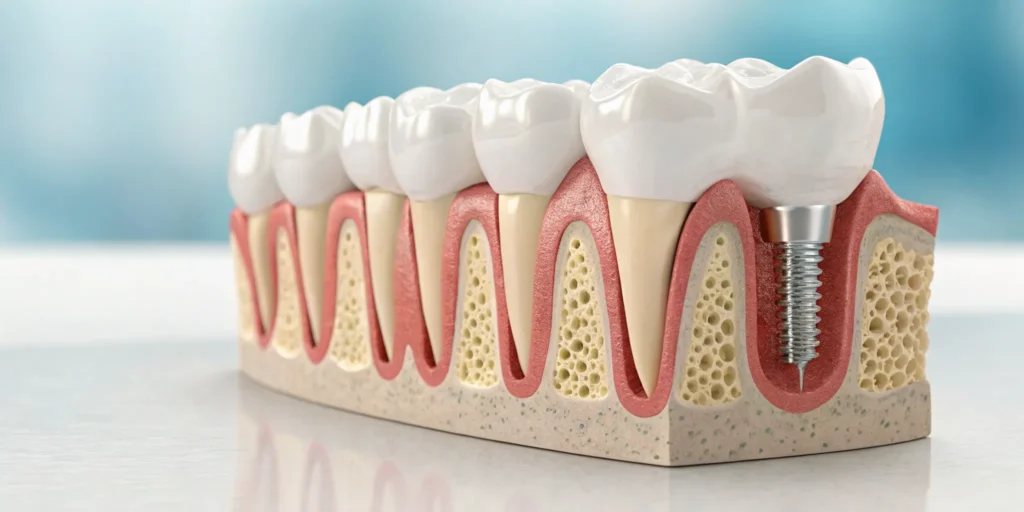
One of the first questions patients ask after learning they need a bone graft is, “How long until I can get my implant?” It’s a great question. While you’re understandably eager for your new smile, this waiting period is an essential part of your treatment. This isn’t just downtime; it’s an active construction phase for your body. The dental implant bone graft healing process is when your body builds a strong, new foundation of bone. Knowing the key stages of this journey, from initial recovery to final readiness, helps you feel in control and confident as you prepare for a successful restoration.
Key Takeaways
- A Bone Graft Creates Essential Support for Implants: Think of a bone graft as rebuilding the foundation for your smile. It restores bone volume lost from a missing tooth or gum disease, creating the solid structure needed to securely anchor a dental implant for long-term success.
- Your Habits Directly Impact Your Healing Timeline: While healing typically takes three to six months, your daily choices play a huge role. Following aftercare instructions, eating a soft-food diet, and avoiding smoking are the best ways to support your body’s natural healing process and stay on schedule for your implant.
- Recovery Is a Predictable and Monitored Journey: Your healing is not a guessing game. Through regular follow-up appointments and imaging, your dentist will track your progress to confirm the new bone is strong and ready, ensuring you only proceed with the implant when the conditions are perfect for a lasting result.
What Is a Dental Bone Graft and Why Might You Need One?
If you’ve been told you need a dental bone graft, you might be wondering what that actually means. Simply put, a bone graft is a surgical procedure that adds volume and density to your jawbone in an area where bone loss has occurred. Think of it as rebuilding the foundation for your smile. Your jawbone is the critical support structure for your teeth, and when it isn’t strong enough, it can compromise both your oral health and the success of future dental work, like implants.
So, why does bone loss happen in the first place? It’s more common than you might think. The most frequent cause is a missing tooth. Without a tooth root to stimulate it, the jawbone in that area begins to shrink away over time. Other causes include advanced gum disease (periodontitis), developmental defects, or facial injury. A bone graft procedure helps reverse this loss, creating a solid base for treatments aimed at restoring lost teeth and giving you back a functional, confident smile. It’s a common and predictable first step for many people on their journey to getting dental implants and achieving a result that looks and feels completely natural.
When Is a Bone Graft Necessary for an Implant?
A dental implant acts like a new tooth root, and for it to be successful, it needs to be anchored securely in your jawbone. If your jawbone is too thin or soft, it won’t be able to support the implant. This is where a bone graft becomes essential. The graft material builds up the bone, creating the necessary height and width for the implant to be placed securely for long-term success.
However, not everyone who gets an implant needs a bone graft. If you have sufficient natural bone, you may be able to skip this step. Dr. Clark will carefully evaluate your jawbone using advanced imaging to determine its density and volume. This assessment ensures we only recommend a graft when it’s truly necessary to create a stable foundation for your new tooth.
What Are Bone Grafts Made Of?
It’s natural to be curious about the material used to rebuild your jaw. Dentists use a few different types of bone material, and the choice depends on your specific situation. The graft material acts as a scaffold, encouraging your own body to grow new, healthy bone around it.
The most common options include:
- Autograft: Bone taken from another part of your own body, like your hip or chin.
- Allograft: Bone sourced from a human donor, which is carefully screened and sterilized.
- Xenograft: Bone from an animal source (usually a cow), which is also processed to ensure it’s safe and compatible.
- Alloplast: A synthetic, man-made material designed to stimulate bone formation.
Each type has its own advantages, and your dentist will discuss which one is the best fit for your procedure.
Your Healing Timeline: What to Expect After a Bone Graft
After your bone graft procedure, your body begins an amazing healing process to build a strong foundation for your future dental implant. While everyone’s healing journey is unique, understanding the general timeline can help you know what to expect and feel more confident as you recover. Think of it as a step-by-step project where your body is the expert builder. Here’s a breakdown of the key stages you’ll go through on your way to a restored, healthy smile.
Week 1: The First Steps of Healing
The first week is all about managing the initial effects of surgery. You can expect some swelling, bruising, and minor bleeding at the site, which is completely normal. Using ice packs on your cheek will be your best friend for reducing this. A crucial blood clot will form over the graft, acting as a protective cover and the starting point for healing, so it’s important to protect it. We’ll provide you with specific instructions for managing any discomfort and keeping the area safe. Your main job this week is to rest, follow your aftercare plan, and let your body begin the important work of restoring lost teeth.
Weeks 2–4: Soft Tissue Heals and Bone Growth Begins
During this phase, the initial swelling and discomfort should fade, and your gum tissue will start to heal over the graft site. Beneath the surface, your body is getting busy. New blood vessels and bone-forming cells are beginning to move into the graft material, creating a scaffold for new bone growth. To protect this delicate process, you’ll need to stick to a soft-food diet. Think smoothies, yogurt, and soups. This prevents pressure on the healing area and gives your body the best chance to build a solid base for your future dental implant.
Months 1–3: Your New Bone Starts to Strengthen
This is where the magic really happens. Over the next few months, your body will continue its construction project in a process called osseointegration. The graft material, which acted as a placeholder, is slowly and naturally replaced by your own new, strong bone tissue. You’ll likely feel completely back to normal during this time, but it’s a critical period for development. This new bone integrates with your existing jawbone, creating the dense, stable foundation that is essential for a successful and long-lasting restoration. This process ensures the final result is both functional and beautiful.
Months 3–12: Getting Ready for Your Dental Implant
This is the final stage of healing, where your new bone matures and becomes fully solidified. The timeline varies from person to person, but typically within three to six months (and sometimes longer), the grafted site will be strong enough to support a dental implant. We will use imaging to check the density and volume of the new bone to confirm it’s ready. Once we give the green light, you can proceed with the final step of your smile restoration. This careful, patient process is key to the incredible success and longevity of a full mouth reconstruction.
How Long After a Bone Graft Can You Get an Implant?
This is one of the most common questions we hear, and it’s a great one. After a bone graft, you’re understandably eager to move on to the final step: getting your dental implant. While patience is key, the good news is that you’re building a foundation for a smile that will last a lifetime.
Generally, you can expect to wait between three and six months after your bone graft procedure before an implant can be placed. For more extensive grafts, this timeline could extend to nine months or even a year. This waiting period isn’t just downtime; it’s a critical healing phase. During these months, the grafted bone material needs to fully integrate with your natural jawbone. This process creates the strong, stable base required to support a dental implant securely. Without a solid foundation, the implant simply wouldn’t be successful.
Your specific timeline isn’t a guessing game. We will monitor your progress closely with follow-up appointments and imaging, like X-rays, to see how the new bone is developing. Once we confirm that the graft has created sufficient bone density and is strong enough to hold an implant, we can schedule your implant surgery. Every person’s healing journey is unique, and our goal is to proceed only when we know the conditions are perfect for a successful, long-lasting result. This careful approach ensures your new tooth will be as strong and reliable as a natural one.
What Normal Healing Looks and Feels Like
After your bone graft, it’s natural to wonder if everything is healing as it should. Knowing what to expect can give you peace of mind and help you feel in control of your recovery. Your body will give you clear signals as it heals. Learning to read them is a key part of a smooth recovery process. Here’s a breakdown of the positive signs to look for and the red flags that mean it’s time to call our office. We want you to feel confident and supported every step of the way as you prepare for restoring lost teeth.
Good Signs: How to Know Your Graft Is Healing Well
In the first few days, some swelling and tenderness are completely normal, but you should notice these getting better after about day three. A great sign is seeing your gums around the site look pink and stay closed, without any new bleeding or pus. You’ll also likely find that chewing soft foods becomes a little easier each day. While you’ll feel much better within a week or two, the real work is happening below the surface. Over the next several months, your body is busy as new bone tissue gradually replaces the graft material, building a strong and stable foundation for your future dental implant.
Red Flags: When to Call Your Dentist
While complications are rare, it’s important to know what to watch for so we can address any issues right away. Please don’t hesitate to call us if you notice any concerning symptoms. If your pain, swelling, or discomfort suddenly gets worse after a few days of improving, it’s a sign to check in. Other red flags include a fever (101°F or higher), pus or a foul taste coming from the surgical site, or excessive bleeding that doesn’t stop with gentle pressure. Your recovery is our top priority. It’s always better to be safe and contact your dentist if you feel something isn’t right.
What Can Influence Your Healing Time?
While we can map out a general healing timeline, your personal recovery journey is unique to you. Think of the typical stages as a guide, not a strict schedule. Several factors can influence how quickly your body integrates the new bone graft, and understanding them can help you set realistic expectations and take an active role in your recovery. Your body’s healing capacity is a complex process shaped by your overall health, the specific materials used in your graft, and even your daily habits. Working closely with a specialist who understands these nuances is key to a successful outcome.
How Your Overall Health Plays a Role
Your body’s ability to heal is directly tied to your overall wellness. If you are managing a systemic condition like diabetes or an autoimmune disorder, your healing process might take a bit more time, as these can affect circulation and the body’s natural repair mechanisms. This is completely normal, and it’s why having an open conversation about your full medical history is so important. When your dental team has a complete picture of your health, they can tailor your treatment and recovery plan to support your specific needs, ensuring the best possible foundation for restoring lost teeth.
The Impact of Different Graft Materials
Not all bone grafts are created equal, and the type of material used can play a part in your healing timeline. Grafts can come from different sources: your own body, a human donor, an animal source, or a synthetic material. Each type has its own properties and interacts with your body in a unique way. Dr. Clark will select the ideal material based on your specific needs, the location of the graft, and the amount of bone required. Having an in-house dental lab gives us a significant advantage, allowing for precise customization and quality control to ensure your graft provides the strongest possible base for your future implant.
Lifestyle Habits That Can Affect Healing
The choices you make every day can have a big impact on your recovery. Habits like smoking or vaping are particularly tough on a healing graft because they restrict blood flow, which delivers the oxygen and nutrients your body needs to repair itself. Heavy alcohol use can also slow things down. Even things like a poor diet or chronic teeth grinding (bruxism) can affect your results by depriving your body of essential vitamins or putting unnecessary pressure on the surgical site. Focusing on a healthy lifestyle during this time is one of the best ways you can support your body’s hard work and protect your investment in your smile’s function and future.
Your Guide to a Smooth Recovery
Your role in the healing process is just as important as the procedure itself. A successful recovery depends on how well you care for yourself in the days and weeks that follow. By taking a few simple steps, you can help your body heal efficiently and set the stage for a strong, stable dental implant. Think of this as your roadmap to a comfortable recovery and a fantastic final result. Following these guidelines will help protect the delicate graft site and ensure everything heals just as it should.
Managing Swelling and Discomfort
It’s normal to have some swelling for the first few days after your procedure, and you might also notice some bruising. The good news is that most people experience very little pain as long as they follow their aftercare instructions. We will provide you with a personalized plan to manage any discomfort, which typically involves taking medication as prescribed and using cold compresses on your cheek for short intervals. Sticking to this plan is the best way to feel comfortable as your body begins the important work of healing. Following these steps helps ensure the entire process of restoring lost teeth goes as smoothly as possible.
Keeping the Graft Site Clean (Safely)
Keeping the surgical area clean is essential for preventing infection and promoting healing, but it requires a gentle touch. For the first few days, you’ll need to avoid brushing the graft site directly. Instead, you can gently brush the surrounding teeth and use a special antimicrobial mouthwash or a simple saltwater rinse as directed. This helps keep the area clean without disturbing the graft material or stitches. Following your specific hygiene instructions is a critical part of protecting your investment and supporting the long-term function of your future implant. We will walk you through exactly how to do this before you head home.
What to Eat and Avoid During Recovery
For the first week or so, your diet will play a big role in protecting the graft site. You’ll need to stick to soft foods that require minimal chewing. Think smoothies, yogurt, mashed potatoes, and soups (once they’ve cooled down). It’s very important to avoid anything hard, crunchy, spicy, or sticky, as these foods can irritate the area or dislodge the graft. Also, try to avoid drinking through a straw, as the suction can interfere with healing. This temporary diet change is a small but crucial step that makes a big difference in ensuring your graft heals without any complications.
Why Follow-Up Appointments Are Key
Your follow-up appointments are much more than a quick check-in; they are a vital part of your treatment plan. During these visits, we will carefully examine the surgical site to make sure your soft tissue is healing properly. We may also take X-rays to monitor how the new bone is integrating with your jaw. These appointments allow us to catch any potential issues early and confirm that your healing is on track for the next phase: placing your dental implant. Being under the consistent care of an expert prosthodontist like Dr. Clark ensures every stage of your journey is managed with precision and expertise.
Common Bone Graft Myths, Debunked
It’s completely normal to have questions and even a few worries when you hear you might need a bone graft. A lot of misinformation floats around, making the procedure sound more intimidating than it actually is. Let’s clear the air and tackle some of the most common myths I hear from patients. Understanding the facts can help you feel more confident and prepared for the road ahead. The goal is always to create a healthy, stable foundation for your future smile, and a bone graft is often a key step in that process.
Myth: “The healing process takes too long to be worth it.”
I get it, the idea of a healing period that takes several months can feel like a huge commitment. But it’s helpful to think of this time not as a delay, but as a necessary investment in a lasting solution. That healing time is crucial for the new bone material to integrate with your jaw, creating a solid and stable base for your future dental implant. Rushing this step would be like building a house on a weak foundation. By giving your body the time it needs to heal properly, you are ensuring your implant will be secure and functional for years to come, making the wait absolutely worth it for a successful outcome in restoring lost teeth.
Myth: “I can jump right back into my normal routine.”
While you won’t be sidelined for months, you can’t expect to go straight from the dental chair to the gym. Most people feel ready to return to work and other normal, light activities within a few days. However, your body is doing some serious work behind the scenes. It’s essential to avoid strenuous exercise and heavy lifting for at least the first week, or as long as your dentist advises. Pushing yourself too hard, too soon can increase bleeding, swelling, and discomfort, and it could even compromise the graft. Listen to your body and give it the rest it needs to heal effectively.
Myth: “The aftercare instructions are just suggestions.”
Please trust me on this one: your aftercare instructions are your roadmap to a smooth and successful recovery. They aren’t just generic suggestions; they are tailored to your specific procedure and designed to help you heal faster, avoid complications like infection, and minimize discomfort. Following the guidelines for diet, oral hygiene, and activity levels can make your recovery much easier and more comfortable than you might expect. We see ourselves as your partners in this process. By following the plan we create for you, you play an active and vital role in the success of your treatment and the future of your smile.
Is a Bone Graft the Right Next Step for You?
Deciding if a bone graft is part of your dental implant journey can feel like a big step, but it’s a common and straightforward part of the process for many people. The main reason you might need one is simple: a dental implant needs a strong, solid foundation to be successful. When a tooth has been missing for a while, the jawbone in that area naturally starts to shrink and lose density. If the bone becomes too thin or soft, it can’t securely hold an implant in place. A bone graft rebuilds that foundation, giving your future implant the support it needs to last a lifetime.
So, how do you know if you’re a candidate? You might need a bone graft if you’ve experienced significant tooth loss, have a history of advanced gum disease, or suffered an injury to your jaw. These situations can all lead to bone deterioration that needs to be addressed before an implant can be placed. While it might sound complex, the procedure is designed to solve a specific problem and pave the way for restoring lost teeth with a solution that looks and feels natural.
Ultimately, the only way to know for sure is to have a conversation with a dental professional. During a consultation, we can use advanced imaging to assess your jawbone’s density and determine if a graft is necessary to ensure the long-term function of your dental implant. Think of it not as a setback, but as the first crucial step toward rebuilding a healthy, confident smile that’s built to last.
Frequently Asked Questions
Is the bone graft procedure painful? This is a very common and understandable concern. The procedure itself is not painful because the area will be completely numb with local anesthetic. You may also be offered sedation to help you feel relaxed and comfortable. Afterward, it’s normal to feel some soreness and tenderness, similar to other dental procedures. We will create a personalized plan for you to manage this discomfort at home, which usually involves medication and cold packs. Most people find the recovery is much more comfortable than they anticipated.
What happens if I need a bone graft but decide not to get one? Choosing to skip a necessary bone graft unfortunately sets up a dental implant for failure. An implant needs a certain amount of dense, healthy bone to anchor it securely. Without that solid foundation, the implant won’t be stable and can become loose or fail to integrate with your jaw altogether. This can lead to more complex and costly issues in the future. Think of the bone graft as the essential first step in ensuring your new tooth is strong, functional, and built to last.
Will I have a noticeable gap in my smile while the bone graft heals? We know that how your smile looks during treatment is just as important as the final result. If your bone graft is in a visible part of your smile, you won’t have to walk around with a gap for months. We can often create a temporary, removable tooth (sometimes called a flipper) or another aesthetic solution to wear while the site heals. This allows you to feel confident in your appearance throughout the entire process.
How successful are dental bone grafts? Dental bone grafts have a very high success rate. The procedure is a predictable and routine part of preparing for dental implants. The key to success lies in two main areas: the skill of the specialist performing the procedure and how well you follow your aftercare instructions. When a graft is planned and placed with precision, and you take care to protect the site as it heals, you create the ideal conditions for your body to build a strong foundation for your future implant.
Can my body reject the bone graft material? It’s natural to wonder about this, especially when the material might come from a donor or a synthetic source. True rejection, like you might see with an organ transplant, is extremely rare in dental bone grafting. This is because the materials are specially processed to remove any components that would trigger an immune response. Instead of rejection, the risk is that the graft fails to fully integrate with your jaw. This is uncommon, but following your recovery plan carefully gives your body the best possible chance to accept the graft and build new, healthy bone.