


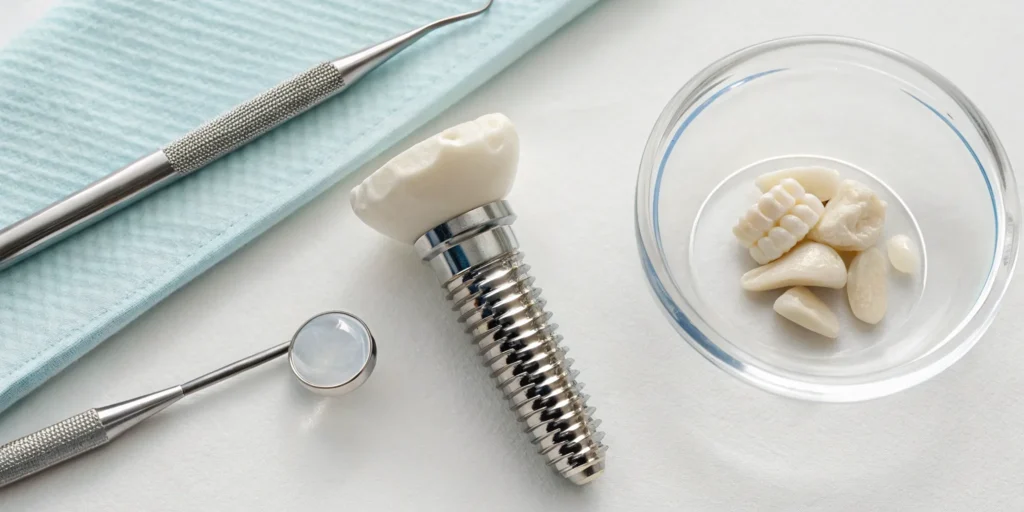
When you decide to get a dental implant, you’re investing in a permanent solution for a missing tooth. But just like building a house, you can’t put up the walls without a solid foundation. A dental bone graft is that foundation. It creates the strong, healthy jawbone structure needed to support an implant for a lifetime of use. While it’s easy to focus on the initial cost of bone graft for dental implant procedures, it’s more helpful to see it as an essential part of the entire process. Skipping this crucial step can lead to implant failure, which means more procedures and expenses down the road.
Key Takeaways
- A Bone Graft Is Your Implant’s Foundation: A bone graft is a preparatory step that rebuilds your jawbone. It creates the strong, stable base required for a dental implant to integrate properly and last for years to come.
- Costs Are Personalized, Not One-Size-Fits-All: The final price of your bone graft depends on your unique needs, including the type of material used and the complexity of your procedure. A detailed consultation is the only way to get an accurate estimate.
- Success Depends on Partnership and Planning: A great result comes from teamwork. This involves creating a clear financial plan with your dental office and carefully following all post-procedure instructions for a smooth and effective recovery.
What Is a Dental Bone Graft (and Do I Really Need One)?
If you’re considering dental implants, you’ve likely come across the term “bone graft.” It might sound a little intimidating, but it’s a very common and highly successful procedure that sets the stage for a lasting smile. A dental bone graft is a surgical treatment designed to rebuild bone in your jaw where it has been lost. During the procedure, new bone material is added to the area, creating a stable foundation for future treatments. Think of it as preparing the ground before planting a tree: for a dental implant to be secure and last a lifetime, it needs a sufficient amount of healthy jawbone to anchor it in place.
The main reason you might need a bone graft is to prepare your jaw for a dental implant. However, it can also be used to stop the progression of bone loss from gum disease or to build back bone structure for better denture support. The goal is always to restore the structure, function, and appearance of your smile. A thorough evaluation, which often includes advanced imaging, will determine if a bone graft is the right first step for you. It’s a key procedure that makes successful, long-term tooth replacement possible for many people who might not have been candidates for implants otherwise.
Understanding Jaw Bone Loss
You might be wondering why your jawbone would lose density in the first place. Your jawbone maintains its strength and volume through the stimulation it receives from your teeth. When you chew, the force travels through the tooth root and into the bone, signaling it to stay strong. When a tooth is lost and not replaced, that stimulation disappears. This can happen after an extraction, from advanced gum disease, or due to an injury. Without that vital job to do, the bone in that area begins to shrink, a process called resorption. This is why restoring lost teeth promptly is so important for your overall oral health.
How a Bone Graft Prepares You for a Dental Implant
A bone graft acts as a scaffold for your body’s natural healing process. The new material placed in your jaw encourages your own bone to grow and regenerate, eventually integrating to create a solid, dense area. This process is essential for dental implants, which are small titanium posts that act as artificial tooth roots. For an implant to be successful, it must fuse directly with the jawbone in a process called osseointegration. A bone graft ensures there is enough high-quality bone available to create this strong bond, providing the necessary support for your new dental implants and the beautiful crown that goes on top.
Are Bone Grafts Always Necessary for Implants?
Not every person who gets a dental implant will need a bone graft. If you have a tooth replaced soon after it’s lost, you may have plenty of healthy bone remaining. The need for a graft is determined by the volume and quality of your existing jawbone. When the bone is too thin or soft to securely hold an implant, a graft becomes necessary. To make this determination, your dentist will use specialized 3D X-rays to get a precise measurement of the bone’s height and width. This detailed assessment is part of a comprehensive approach to restoring dental function and ensures your treatment plan is perfectly tailored to your needs.
What Are the Different Types of Bone Grafts?
When we talk about a bone graft, one of the first questions is, “Where does the bone come from?” It’s a great question, and the answer is that there are a few different options. The material used for your graft is chosen based on your specific needs, the amount of bone required, and your personal preferences. Think of these materials as different tools in a toolkit; Dr. Clark will work with you to select the perfect one for restoring your smile and preparing your jaw for a successful dental implant. Let’s walk through the four main types.
Autograft (Your Own Bone)
An autograft is often considered the gold standard because it uses your own bone. The material is typically taken from another area of your body, like your chin, jaw, or sometimes even your hip. Because the bone is your own, it has a very high success rate for integrating and creating a solid foundation for an implant. The main consideration with this method is that it requires a second surgical site to harvest the bone. This means two areas will need to heal, but for many, the predictability and excellent results make it the best choice.
Allograft (Donor Bone)
An allograft uses bone from a human donor. This is a very common and safe option that allows you to skip the second surgery site needed for an autograft. The donor tissue comes from a tissue bank and is carefully screened and sterilized to ensure it’s completely safe for use. It acts as a framework that your body uses to build its own new, healthy bone in the area where the graft is placed. The major advantage here is convenience and having only one area to focus on during your recovery.
Xenograft (Animal Bone)
A xenograft is a type of graft that uses bone from an animal source, most often a cow. Before it’s used in any dental procedure, the bone goes through a rigorous purification process to make it sterile and biocompatible. A xenograft acts like a scaffold, or a placeholder, that maintains space while encouraging your own natural bone to grow into and eventually replace it. This method has been used successfully for many years in dentistry and provides a reliable structure for your body to work with.
Alloplast (Synthetic Material)
If you’d rather not use human or animal bone, an alloplast is an excellent alternative. This type of graft uses synthetic, man-made materials. These biocompatible materials are designed to be safely accepted by your body and provide the support needed for new bone to form. Alloplasts are often used to fill in smaller bone defects, like preserving a tooth socket after an extraction. They are a predictable and effective way to rebuild bone structure without involving a second surgical site or an outside biological source.
Breaking Down the Cost of a Dental Bone Graft
Understanding the potential cost of a bone graft can help you plan for your treatment. While a personalized quote from your dentist is the only way to get an exact number, we can look at the typical price ranges for different procedures. The total cost is influenced by the type of graft you need, the complexity of your case, and the materials used. Think of these numbers as a starting point for a conversation with your dental team about your specific treatment plan.
Cost by Graft Material
The material used for your graft is one of the biggest factors in the overall price. Each type has its own benefits and associated costs. A helpful guide on dental bone graft costs shows that using your own bone (autograft) is often the most expensive option, ranging from about $2,100 to over $5,100, because it requires a second surgical site. Grafts from a human donor (allograft) or an animal source (xenograft) typically fall between $550 and $1,600. Synthetic options (alloplasts) are also in a similar range. Your dentist will recommend the best material for your unique situation and clinical needs.
Cost for Socket Preservation
If you have a tooth extracted, your dentist might recommend socket preservation. This is a straightforward bone graft placed into the empty socket immediately after the tooth is removed. Its purpose is to prevent the jawbone from shrinking, which makes a future implant placement much easier. This preventative step is relatively affordable, usually costing between $300 and $600. Investing in socket preservation right away can save you from needing a more complex and expensive grafting procedure down the road, making it a smart choice for many patients planning for an implant.
Cost for a Sinus Lift
A sinus lift, also called a sinus augmentation, is a specific type of bone graft for the upper back jaw. When you lose molars in your upper jaw, the bone in that area can become too thin to support a dental implant because of the sinus cavity above it. A sinus lift adds bone to this area, creating a solid foundation. Because it’s a more specialized surgery, the cost is higher, generally ranging from $1,500 to $3,500. This procedure is essential for many people who want to restore lost teeth in the back of their mouth with reliable, long-lasting implants.
Other Factors That Affect the Final Price
Besides the graft material and procedure type, a few other elements can influence your final bill. The complexity of your procedure plays a big role; a simple graft for one tooth will cost less than a more extensive reconstruction. Your geographic location also matters, as dental fees can vary between cities. Finally, the dentist’s level of experience is a factor. A specialist like a prosthodontist has advanced training in complex restorative procedures, which is reflected in their fees. Choosing an expert ensures your procedure is done with the highest level of skill, leading to predictable and successful results.
What Determines the Price of Your Bone Graft?
Understanding the cost of a bone graft can feel complicated, but the price really comes down to a few key factors specific to your situation. There isn’t a single, one-size-fits-all price tag because every patient’s needs are unique. Let’s walk through the main elements that influence the final cost of your treatment, so you can feel more prepared for your consultation.
The Amount of Bone Needed
The most straightforward factor is the volume of bone required for your graft. If you’ve recently had a tooth extracted and only need a small amount of material to preserve the socket for a future implant, the procedure will be less extensive and therefore less costly. However, if significant time has passed since you lost a tooth, you may have experienced more substantial bone loss. Rebuilding a larger section of your jawbone to create a stable foundation for one or more implants requires more material and a more complex procedure, which will be reflected in the price.
The Graft Material Used
The type of material used for the graft also plays a significant role in the overall cost. As we covered, options range from your own bone (autograft) to processed donor bone (allograft), animal-derived bone (xenograft), or synthetic materials (alloplast). Each has different sourcing and processing costs. For example, using your own bone involves a second surgical site, while other materials are prepared in a lab. We carefully select the best material for your specific case to ensure predictable and successful restoration of lost teeth, and this choice will be a component of the final treatment cost.
Your Dentist’s Expertise and Location
Finally, the skill of your dental provider is a crucial factor. A complex procedure like a bone graft requires advanced training and precision for the best results. A prosthodontist specializes in the restoration and replacement of teeth, bringing years of extra education and experience to your care. While a specialist may have higher fees than a general dentist, you are investing in expertise that minimizes risks and ensures your dental implant has the strongest possible foundation for long-term success. Choosing an expert dentist is an investment in a smooth procedure and a lasting, beautiful smile.
Will My Dental Insurance Cover a Bone Graft?
This is one of the first questions we hear, and it’s a great one. The answer, however, isn’t always simple. It depends on your specific insurance plan and, most importantly, why you need the graft. Insurance companies often draw a line between procedures that are “medically necessary” and those they consider purely cosmetic. For example, a bone graft needed to support a dental implant that restores your ability to chew is very different from a procedure done only for aesthetic reasons.
Because every plan is different, the best first step is always to check your benefits. Our team is here to help you with that process. We provide your insurance company with all the necessary documentation, including detailed notes and X-rays, to show why the treatment is needed for your health. This helps build the strongest possible case for coverage and takes the administrative burden off your shoulders. The following steps will give you a clear path for figuring out what your plan will cover, so you can move forward with confidence.
When Is Coverage More Likely?
Your insurance is more likely to cover a bone graft if it’s considered medically necessary. What does that mean? Think of it as any procedure needed to protect or restore your oral health and function. This includes bone grafts to treat gum disease, save bone after an injury or tooth extraction, or build a stable foundation for restoring lost teeth with an implant. When a graft is essential for your dental health, many plans will cover a portion of the cost, often between 40% and 50%. It’s important to remember that coverage for a procedure deemed cosmetic is much less common.
How to Get Pre-Authorization
Pre-authorization is your best tool for avoiding financial surprises. It’s a process where our office submits your treatment plan to your insurance company before your procedure. Your provider reviews the details and sends back a document stating exactly what they will and won’t cover. This isn’t just an estimate; it’s a confirmation of your benefits for the bone graft. This process can take a few weeks, so we handle it well in advance of your appointment. Getting this approval beforehand gives you a clear financial picture and peace of mind, allowing you to focus on your treatment.
Questions to Ask Your Insurance Provider
Even with our help, calling your insurance provider directly can give you added clarity. When you call, have your treatment plan from our office handy. Understanding your dental insurance is easier when you know the right questions to ask.
Here’s a helpful checklist:
- Is a bone graft (using the procedure code on my treatment plan) a covered benefit?
- What percentage of the cost do you cover for this procedure?
- Do I have a deductible that I need to pay before my benefits apply?
- What is my plan’s annual maximum, and how much of it have I used this year?
- Is pre-authorization required for this procedure?
How to Manage the Cost of Your Treatment
Seeing the final number on a comprehensive treatment plan can feel a bit overwhelming, but please don’t let it discourage you. Investing in your long-term health is one of the best things you can do for yourself, and there are practical ways to make the cost feel much more manageable. The key is to approach it with a clear strategy. By getting a detailed plan, understanding exactly what your insurance will contribute, and exploring your payment options, you can move forward with confidence. Think of it as breaking a big goal down into smaller, more actionable steps. This approach puts you in control of the financial side of your treatment, allowing you to focus on what really matters: restoring your smile and your health.
Get a Detailed Treatment Plan
Your first step is to get a clear, written breakdown of your entire treatment from your dentist. This isn’t just a single price; it’s an itemized estimate that outlines every phase of the process. A thorough plan should detail the cost of the bone graft itself, the dental implant surgery, the abutment, and the final crown or restoration. It should also include fees for any sedation, imaging, and follow-up appointments. This document is your roadmap. It gives you the specific information you need to have productive conversations with your insurance provider and explore financing, ensuring there are no surprises along the way as you begin the process of restoring lost teeth.
Understand Your Plan’s Details
With your treatment plan in hand, it’s time to talk to your dental insurance provider. The cost of a bone graft can vary widely, sometimes from a few hundred to several thousand dollars, depending on the complexity and materials used. Your insurance coverage will likely hinge on whether the procedure is considered medically necessary. For example, a graft needed to restore your bite’s function after an accident is more likely to be covered than one for a purely cosmetic procedure. Call your insurance company and ask for a pre-treatment estimate. Having the specific procedure codes from your treatment plan will help them give you the most accurate information about your out-of-pocket costs.
Explore Financing and Payment Options
After you determine what your insurance will cover, you’ll know your final out-of-pocket responsibility. Many people find that breaking this amount into smaller monthly payments makes it much easier to manage. Start by asking our office about in-house payment plans or financing partnerships. Many dental practices also work with third-party financing companies, like CareCredit, which are designed specifically for healthcare expenses. These options allow you to pay for your treatment over time, so you don’t have to delay essential care. Our team is here to help you find a solution that fits your budget, so you can make this important investment in your health without unnecessary financial stress.
What to Expect During Your Bone Graft Recovery
A bone graft is a big step toward a healthy, complete smile, and knowing what to expect afterward can make the process feel much more manageable. Your recovery is all about giving your body the time and support it needs to build a strong foundation for your future dental implant. While every patient’s experience is unique, there are some general guidelines for a smooth and successful healing period. Following our team’s specific post-operative instructions is the most important thing you can do. Think of this as a partnership: we perform the expert procedure, and you provide the excellent aftercare that ensures a great result.
Your Healing Timeline
Patience is your best friend during the healing phase. After your procedure, the new bone material needs time to fuse with your jaw. This process, called osseointegration, is what creates the solid base required for a dental implant. Generally, it takes about three to six months for the graft to fully heal and be ready for the next step. It might feel like a long time, but this waiting period is essential for the long-term success of your implant. We will monitor your progress closely with follow-up appointments to make sure everything is healing exactly as it should before we move forward.
How to Manage Discomfort and Swelling
It’s completely normal to experience some soreness and swelling for a few days following your bone graft. Think of it as your body’s natural response to the healing process. To keep yourself comfortable, you can apply an ice pack to your cheek for 15-minute intervals during the first 24 to 48 hours. This helps reduce inflammation. We will also discuss pain management options with you, which may include over-the-counter or prescription medication. Most discomfort is temporary and should begin to fade after the first few days. This is a key part of the journey to restoring lost teeth and reclaiming your smile.
Diet and Activity Guidelines for a Smooth Recovery
What you eat and how you care for yourself after surgery can make a big difference in your recovery. For the first week or so, stick to a soft-food diet. Think smoothies, yogurt, soups, and mashed potatoes. Avoid anything hot, spicy, crunchy, or hard that could irritate the surgical site. It’s also crucial to avoid smoking or using tobacco products, as they can significantly slow down healing and increase the risk of complications. We recommend taking it easy for the first couple of days and avoiding strenuous exercise to allow your body to focus on healing.
Keeping Your Mouth Clean as You Heal
Keeping your mouth clean is vital for preventing infection, but you’ll need to be gentle. We will provide you with specific instructions tailored to your procedure. You should avoid brushing the graft site directly for the first few days. A gentle rinse with warm salt water (a half teaspoon of salt in a cup of water) a few times a day can help keep the area clean without disturbing it. Maintaining your overall oral hygiene is a cornerstone of our practice philosophy, as it’s the best way of saving natural teeth and ensuring the success of any restorative work.
When to Call the Dentist
While complications are rare, it’s important to know what to look out for. Please don’t hesitate to call our office if you experience any of the following symptoms. You should contact us if you have a fever, pain that gets worse instead of better after a few days, or excessive swelling. Also, be aware of any significant bleeding or fluid coming from the surgical site. We are your partners in this process, and we want to hear from you if something doesn’t feel right. Your peace of mind is important, and we are here to support you every step of the way.
Is a Bone Graft a Worthwhile Investment?
When you’re planning for a dental implant, hearing you might also need a bone graft can feel like one more hurdle, and one more expense. It’s completely understandable to pause and ask if it’s truly worth it. The simple answer is yes. It helps to think of it less as an extra cost and more as a crucial investment in the long-term success of your new smile.
Think of it this way: you wouldn’t build a house on a weak foundation. A dental implant needs a solid, healthy jawbone to anchor into for stability. If your bone has lost density due to a missing tooth, gum disease, or injury, a bone graft rebuilds that essential foundation. Without it, the implant may not have enough support to integrate properly.
Skipping a necessary bone graft can lead to implant failure. A failed implant often means more procedures, more time in the dental chair, and ultimately, more expense and frustration down the road. Getting it right the first time is the most effective and economical approach to restoring lost teeth. While the cost of a dental bone graft can vary, the value it provides is clear. It sets the stage for a dental implant that can last a lifetime, ensuring your final restoration is not only beautiful but also strong and functional, allowing you to eat, speak, and smile with total confidence.
Begin Your Implant Journey with an Expert in Roseville
Thinking about a dental implant can bring up a lot of questions, especially when it comes to procedures like bone grafting. With the cost of a dental bone graft varying based on your specific needs, it’s easy to feel a bit overwhelmed. The key to a smooth and successful experience isn’t just understanding the procedure; it’s choosing the right professional to guide you through it. This is where working with a specialist makes all the difference.
An experienced prosthodontist doesn’t just see a missing tooth; they see the whole picture of your oral health, function, and aesthetics. Instead of giving you a generic cost estimate, an expert will conduct a thorough evaluation to create a treatment plan tailored specifically to you. They can determine the precise amount and type of bone material you need, which directly impacts your final cost and the success of your future implant. This level of detailed planning is fundamental to restoring lost teeth in a way that looks and feels completely natural.
Here in Roseville, Dr. Clark combines his expertise as a prosthodontist with the advantages of an in-house dental lab. This unique setup means every step of your treatment, from the initial bone graft to the final placement of your custom-made crown, is handled with meticulous attention to detail under one roof. Dr. Clark and his team will walk you through your personalized treatment plan, provide a clear breakdown of costs, and help you understand your insurance options. Having a dedicated expert manage your care ensures you receive the highest quality results and feel supported from start to finish.
Related Articles
- Restoring Lost Teeth: Your Options Explained
- Dental Implants: What to Expect from Start to Finish
- Function: How Restorative Dentistry Supports Your Bite
- Saving Natural Teeth: When Is It Possible?
- About Dr. Clark: Expertise in Prosthodontics
Frequently Asked Questions
How painful is a bone graft procedure, really? This is a very common concern, and I’m glad you asked. During the actual procedure, you won’t feel any pain because the area will be completely numb. Afterward, it’s normal to have some soreness and swelling for a few days, similar to what you might feel after other dental work. We find that most people manage this discomfort well with over-the-counter pain relievers and by using an ice pack. The most important thing to remember is that this initial soreness is temporary and a sign that your body is beginning the healing process.
Can I get a dental implant without a bone graft if I don’t want the extra procedure? You can absolutely get an implant without a graft, but only if you have enough healthy jawbone to support it. The only way to know for sure is through a detailed 3D scan that measures your bone volume. If the scan shows your bone is too thin or soft, trying to place an implant anyway would be like planting a tree in shallow soil; it simply won’t be stable. Skipping a necessary graft puts you at a very high risk for implant failure, which can lead to more complex and costly problems later. Think of the graft as the essential first step to ensure your implant investment lasts a lifetime.
With so many types of graft materials, how do you decide which one is right for me? That’s a great question. The choice of material is a clinical decision we make together during your consultation. It depends on a few factors, like the amount of bone you need and the location of the graft. For example, a simple socket preservation might be perfect for a synthetic material, while a more significant reconstruction could have better results with a donor graft. We will discuss the pros and cons of each option that is suitable for your case, so you can feel confident and informed about the material we choose to rebuild your smile.
What happens if the bone graft doesn’t work? First, it’s helpful to know that bone grafts have a very high success rate, especially when you follow all the post-operative instructions, like avoiding smoking and keeping the area clean. Complications are rare. In the unlikely event that a graft doesn’t fully integrate with your jaw, the situation is usually correctable. Most often, we can simply clean the area and perform a second grafting procedure. Choosing a specialist for your treatment significantly lowers this risk and ensures your procedure has the best possible chance of success from the start.
How long is the entire process from the bone graft to getting my final tooth? The complete timeline is a multi-step journey, and patience is key to a lasting result. After the bone graft procedure, your jaw will need about three to six months to heal and generate new, strong bone. Once the foundation is solid, we can place the dental implant. The implant then needs another few months to fuse with your jawbone. The final step is attaching your beautiful, custom-made crown. While it is a process, each stage is carefully planned to create a final tooth that is strong, functional, and can serve you well for years to come.