


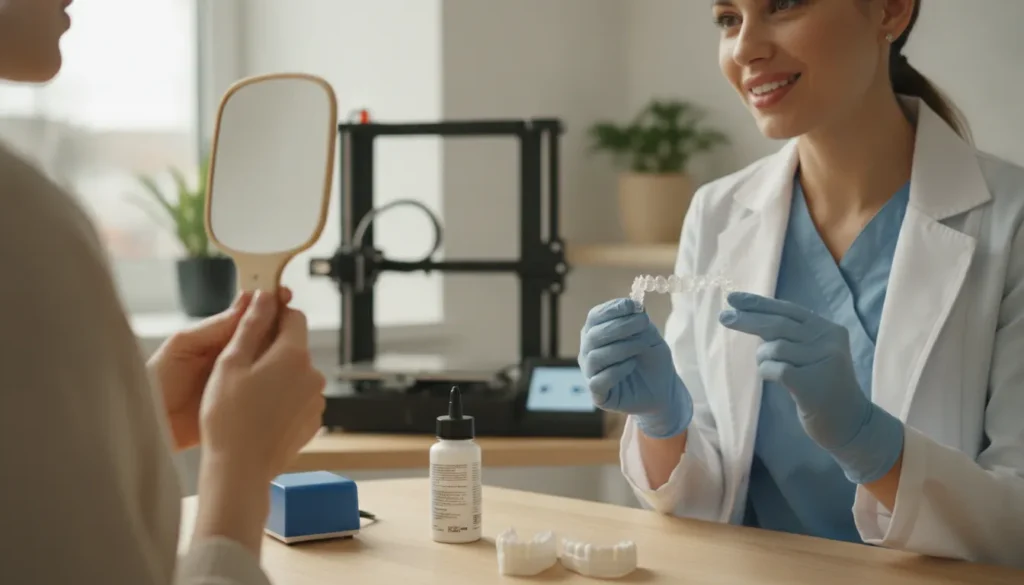
You’ve probably heard of 3D printing for everything from toys to tools, but what about for your teeth? It sounds futuristic, but the technology is here and changing how we approach dental restorations. A 3D printed dental crown is a custom-made cap for your tooth, built layer by microscopic layer from a digital design. This process promises speed and precision, but it’s natural to wonder how it works and if it’s the right choice for you. We’ll break down the entire process, from the digital scan to the final fit, and explore the materials used for 3d printed dental crowns so you can understand their strengths and limitations.
Key Takeaways
- Know the Core Difference: 3D printed crowns are built additively, layer by layer, from a composite resin. Milled crowns are carved subtractively from a solid block of high-strength ceramic, which generally makes them stronger and more durable.
- Consider the Main Trade-Off: The primary benefit of a 3D printed crown is speed, often allowing for a same-day restoration at a lower cost. The compromise is that current resin materials do not yet match the proven longevity and wear resistance of milled ceramic crowns.
- Your Goals Determine the Best Fit: The right choice depends on the tooth’s location and your personal priorities. Discuss with your dentist whether convenience is more important than maximum durability to find the best long-term solution for your smile.
What Is a 3D Printed Dental Crown?
A 3D printed dental crown is a tooth-shaped cap created with advanced digital technology. Instead of using a traditional mold of your mouth, your dentist uses a digital scanner to create a precise 3D image of your tooth. This digital file is then sent to a 3D printer, which builds the crown layer by layer using a specialized material. Think of it as the high-tech version of creating a custom restoration, designed for a perfect fit.
This technology is changing how dentists approach restorative work, offering a new way to repair a damaged tooth. The goal is always to protect the underlying tooth structure and restore its shape and function. While the process is fascinating, it’s important to understand how it works and how these crowns compare to other modern options, like milled crowns, to decide what’s best for your smile.
How Does the Technology Work?
The process starts with a quick and comfortable digital scan. Your dentist uses a small, wand-like scanner inside your mouth to capture a detailed 3D picture of your teeth, so there’s no need for goopy, uncomfortable impression trays. Next, using special dental software, your crown is digitally designed to fit your tooth and bite perfectly. Once the design is finalized, the file is sent to the 3D printer. The printer then fabricates your custom crown by adding and curing thin layers of a ceramic-resin material until the final shape is complete. This layer-by-layer process allows for incredible precision, matching the unique contours of your tooth.
3D Printed vs. Milled Crowns: What’s the Difference?
The main difference comes down to how the crown is made and what it’s made of. A 3D printed crown is built from the ground up, layer by layer, using a composite resin. In contrast, a milled crown is subtractively manufactured, meaning it’s carved out of a solid block of high-strength ceramic or zirconia. Because milled crowns are made from tougher materials, they are generally much stronger, more durable, and more resistant to wear over time. While 3D printing has advanced, the materials currently used don’t quite match the strength and natural aesthetics of milled ceramic. Having an in-house dental lab allows for expert milling and custom characterization, ensuring the final crown is both beautiful and built to last.
How Is a 3D Printed Crown Made?
It might sound like something from a science fiction movie, but creating a 3D printed dental crown is a straightforward and fascinating process. It combines advanced digital technology with the skilled touch of a dental expert to create a restoration that’s made just for you. The entire workflow is designed for precision, comfort, and speed, moving from a digital impression of your tooth to a final, custom-fitted crown. Let’s walk through how it’s done, step by step.
Step 1: The Digital Scan
Forget those goopy, uncomfortable impression trays you might remember from the past. The first step is all about comfort and accuracy. We use a small, handheld intraoral scanner to take a detailed 3D picture of your teeth. This wand-like device captures thousands of images per second, stitching them together to create a perfect digital replica of your mouth. The process is quick, completely painless, and gives us an incredibly precise model to work from. This digital map is the foundation for designing a crown that will fit seamlessly with your bite and smile.
Step 2: Designing the Crown
This is where artistry meets engineering. Using the 3D scan, we use specialized dental design software to create your new crown right on a computer screen. We can rotate the model, zoom in on tiny details, and meticulously shape the crown to ensure it has the right form and function. We’ll select the perfect shade to match your surrounding teeth, making sure the final result blends in naturally. This digital design process allows for an incredible level of customization, ensuring your new crown supports ideal aesthetics and a healthy bite.
Step 3: Printing and Finishing
Once the design is finalized, the digital file is sent to our 3D printer. The printer builds the crown layer by microscopic layer, using a liquid resin that hardens when exposed to a special light. The crown is printed on tiny supports that hold it in place during creation. After printing, it goes through a washing and curing process to give it maximum strength and durability. The final step involves hand-finishing and polishing the crown to a smooth, lifelike luster. Having an in-house lab allows us to oversee every detail of this process, ensuring the highest quality from start to finish.
What Materials Are Used for 3D Printed Crowns?
The material used for your dental crown is one of the most important factors in its success. It determines how strong the crown is, how long it will last, and how natural it looks next to your other teeth. Unlike traditional crowns milled from a solid block of ceramic, 3D printed crowns are built layer by layer from a liquid resin. Think of it as the difference between sculpting from a block of stone versus building something with a high-tech glue gun.
These specialized, light-cured resins are specifically designed for dental use. The technology has advanced quickly, leading to different types of materials for different needs. The most common materials are composite resins and newer ceramic-resin hybrids. Understanding the differences between them is key to knowing what to expect from a 3D printed crown. At our practice, we carefully select the best material for every restoration, a process made possible by our in-house dental lab, which gives us complete control over quality and customization.
Composite Resins
The most common material for 3D printed crowns is a composite resin. This is essentially a blend of microscopic ceramic particles suspended in a synthetic polymer, which is a type of plastic. Your dentist might use this material for temporary crowns that you wear while your permanent one is being made.
Because they contain a significant amount of polymer, these crowns are not as strong as their fully ceramic counterparts. They can be more susceptible to wear and tear over time and may be more likely to fracture under heavy chewing forces. For this reason, pure composite resin crowns are often a short-term solution rather than a permanent fix, especially for molars that do most of the heavy lifting when you eat.
Ceramic-Resin Hybrids
A newer and more advanced option is the ceramic-resin hybrid. As the name suggests, these materials contain a higher concentration of ceramic particles, which gives them better strength and a more tooth-like appearance than standard composite resins. These advanced biocompatible resins are an improvement and are sometimes used for more durable temporary crowns or even medium-term restorations.
While some of these hybrids are approved for permanent use, they still represent a different class of material compared to milled zirconia or lithium disilicate (e.max). They offer a good balance for certain situations, providing a faster and more cost-effective solution. However, it’s important to discuss with your dentist whether a hybrid material meets the long-term functional and aesthetic goals for your smile.
How Materials Impact Durability and Appearance
Ultimately, the material makes the crown. While 3D printing technology is impressive, the resins used today generally do not match the proven strength and lifelike appearance of milled ceramic or zirconia. Materials like zirconia are exceptionally tough and can withstand powerful chewing forces, making them a fantastic choice for long-lasting dental crowns that you can rely on for years.
Milled crowns also tend to have better aesthetics. They can be customized with stains and glazes to perfectly mimic the subtle translucency and color variations of a natural tooth. Resin-based materials, while improving, can sometimes look more opaque and may not hold their color as well over the long term. The goal is always a restoration that looks and feels like your own tooth, and the material choice is a huge part of achieving that.
How Strong Are 3D Printed Crowns?
This is probably the biggest question on your mind. A crown needs to be tough enough to handle everything from your morning coffee to a crunchy salad, and you want it to last for years. While 3D printing technology is impressive, it’s important to understand how these crowns stack up against their traditional counterparts in terms of strength, appearance, and safety. The material used to create the crown plays the biggest role in its performance.
Traditional crowns are typically milled from solid blocks of high-strength ceramic or zirconia, materials known for their incredible durability and natural look. Think of it like sculpting a statue from a solid piece of marble. 3D printed crowns, on the other hand, are built layer by layer from a composite resin. This additive process is fascinating, but the final product’s strength is determined by the resin material itself and how the layers bond together. Understanding these differences is key to deciding if a 3D printed crown is the right choice for your specific needs and your long-term dental health. Let’s break down what that means for you.
Comparing Strength and Longevity
When it comes to sheer strength, milled crowns made from zirconia or ceramic still hold the top spot. These materials are exceptionally tough and resistant to wear, which is why they are a trusted solution for restoring teeth, especially molars that handle a lot of chewing pressure. 3D printed crowns are made from a composite resin, which is a blend of ceramic and a synthetic polymer. While this technology has advanced significantly, the material itself isn’t as robust as a solid block of ceramic. This means a 3D printed crown might be more likely to wear down or even fracture over time, making it a less ideal choice if long-term durability is your main priority for restoring lost teeth.
How Do They Look Compared to Traditional Crowns?
You want your crown to blend in seamlessly with your smile. The aesthetic goal is always for the restoration to look just like a natural tooth. Milled ceramic and zirconia crowns excel here; they can be customized with stains and glazes to perfectly match the color, translucency, and character of your other teeth. Because 3D printed crowns are made from composite resin, they can sometimes lack the natural-looking depth and vitality of milled crowns. While they can be polished to a nice finish, they may not achieve the same level of lifelike aesthetics that is possible with high-quality porcelain or zirconia, especially when crafted by an expert team.
Are the Materials Safe?
Yes, the composite resins used for 3D printed crowns are biocompatible and considered safe for dental use. These materials have been approved for use inside the mouth, so you don’t need to worry about safety from that perspective. The main consideration isn’t about safety, but rather performance. As we’ve discussed, the resin material may not offer the same long-term durability you’d get from a traditional milled crown. For a restoration that is meant to last for many years, it’s important to choose a material that can withstand daily function without compromising the health of the underlying tooth. This is a key part of our philosophy of saving natural teeth whenever possible.
The Pros and Cons of 3D Printed Crowns
Like any dental technology, 3D printed crowns come with their own unique set of benefits and drawbacks. Understanding both sides helps you and your dentist decide if this is the right choice for your specific needs. The best solution is always the one that aligns with your health, cosmetic goals, and lifestyle. Let’s walk through what you can expect.
The Pros: Speed, Affordability, and Precision
One of the most significant advantages of 3D printed crowns is the potential for single-visit dentistry. Because the crown can be designed and fabricated right in the dental office, you could potentially get your permanent restoration in just one appointment. This eliminates the need for a temporary crown and a follow-up visit weeks later.
This streamlined digital process can also make 3D printed crowns a more affordable option. By reducing the reliance on outside labs and minimizing the number of appointments, the overall cost is often lower than that of traditionally made crowns. The technology uses advanced software that works with digital scanners to create a highly accurate model of your tooth, ensuring the final crown has a precise and comfortable fit that supports your bite and overall dental function.
The Cons: Durability Questions, Aesthetic Limits, and Processing Time
While the technology is impressive, it’s important to be realistic about its current limitations. The composite resin materials used for 3D printing are strong, but they generally do not yet match the proven strength and wear resistance of milled zirconia or porcelain. This means a 3D printed crown might be more susceptible to wear or fracture over time, making it less ideal for molars that handle heavy chewing forces.
Aesthetics are another key consideration. While 3D printed crowns look quite natural, they may not achieve the same level of translucency and custom characterization as a hand-layered ceramic crown. For a highly visible front tooth, achieving perfect cosmetic results might still call for a traditional approach. Finally, while the printing itself is quick, the crown requires post-processing steps like washing, curing, and polishing before it’s ready to be placed, so your “single visit” may still involve a bit of a wait in the chair.
Time and Cost: What to Expect
When you need a dental crown, two of the first questions that come to mind are probably, “How long will this take?” and “How much will it cost?” These are completely valid concerns, and the answers often depend on the technology your dentist uses. The great news is that 3D printing is changing the game on both fronts. By bringing the entire crown-making process in-house, dentists can offer a faster, more efficient, and often more affordable experience without compromising on quality. Let’s look at what you can expect when it comes to the timeline and cost for your new crown.
Turnaround Time for Your Crown
Traditionally, getting a crown involved at least two appointments spread over a couple of weeks. First, you’d get an impression made, receive a temporary crown, and then wait for an outside lab to create the permanent one. With 3D printing, this timeline shrinks dramatically. This technology makes single-visit dentistry a reality for many patients. After your digital scan in the morning, your custom crown can be designed and printed right in the office, often ready for placement that same afternoon. This means less time in the dental chair, no need for a temporary crown, and fewer disruptions to your busy schedule. It’s a huge leap forward in convenience.
Comparing the Costs
The efficiency of 3D printing doesn’t just save time; it can also save you money. Traditional crown fabrication methods, like milling, often involve expensive machinery, materials, and maintenance. These operational costs are typically passed on to patients in the final price of the crown. In contrast, 3D printing relies on a more direct and less wasteful process. The streamlined digital workflows and more affordable materials can significantly lower the overall cost of producing a crown. This makes high-quality, custom-fit restorations more accessible without cutting corners on the final result. It’s a win-win for both your smile and your wallet.
Is a 3D Printed Crown Right for You?
Deciding on the right type of dental crown involves weighing factors like speed, cost, appearance, and durability. While 3D printed crowns offer exciting benefits, they are not the perfect solution for every situation. The best choice always comes down to your specific dental needs, the location of the tooth, and your personal priorities. A detailed conversation with your dentist is the most important step in making an informed decision that you will be happy with for years to come. This discussion helps ensure the final restoration supports both your smile’s appearance and its long-term health.
What to Discuss With Your Dentist
The only way to know for sure if a 3D printed crown is a good fit is to talk with your dentist. This technology is not just for complex cases; it has a place in everyday dental care, so it is always worth asking about. Come to your appointment ready to discuss what matters most to you. Is it getting the crown quickly? Is it the most natural appearance possible? Or is it maximum durability? Your dentist can explain the trade-offs and help you understand how a 3D printed crown would perform for your specific tooth. A great dentist will always prioritize saving your natural teeth with the most appropriate and lasting solution.
When to Consider a Milled Crown Instead
While 3D printing technology is impressive, it is important to be realistic about its current limitations. The resin materials used for printed crowns generally do not match the sheer strength and wear resistance of milled ceramic or zirconia. For a back molar that handles heavy chewing forces, a milled crown is often the more durable choice. If your top priority is a restoration that will last for many years with minimal risk of wear or fracture, a milled crown might be the better investment. You might sacrifice some of the speed of 3D printing for the proven, long-term function of a traditionally milled restoration.
The In-House Lab Advantage: Why a Custom Fit Matters Most
Ultimately, the quality of your crown is not just about the machine that makes it. The real difference comes from the expertise behind the process. This is where having an in-house dental lab becomes a huge advantage for you as a patient. When your dentist works directly with a lab technician under the same roof, it creates a seamless workflow. This collaboration ensures your crown is meticulously customized for a perfect fit, shape, and color match. Any necessary adjustments can be made on the spot, reducing your chair time and ensuring the final result feels and looks completely natural. This level of quality control is key to a successful restoration.
Frequently Asked Questions
Are 3D printed crowns permanent, or are they just temporary? This is a great question, and the answer depends on the specific material used. Some composite resins are best suited for temporary crowns that you wear while a permanent one is made. Newer, stronger ceramic-resin hybrids are approved for permanent use in some cases. However, it’s important to discuss with your dentist whether a printed crown is the right long-term solution for your specific tooth, as its durability may not match that of a traditionally milled crown.
Why would I choose a stronger milled crown if a 3D printed one is faster and more affordable? Think of it as an investment in your smile’s future. While the speed and lower cost of 3D printed crowns are appealing, milled crowns made from solid zirconia or ceramic offer proven, long-term strength and a more natural, lifelike appearance. If your priority is maximum durability, especially for a tooth that does a lot of work, choosing a milled crown is often the best strategy for a restoration that will stand the test of time.
Can a 3D printed crown be placed on any tooth, like a back molar? While the technology is versatile, placement on a back molar requires careful thought. Your molars handle the most intense chewing forces, and the composite resin materials used for 3D printing are not as resistant to wear and fracture as milled ceramic. For this reason, your dentist will likely recommend a stronger, more durable milled crown for a molar to ensure it can function properly for many years without issue.
How long does a 3D printed crown typically last? The longevity of any crown depends on your bite, habits, and oral hygiene. While the technology is constantly improving, the resin materials used for 3D printed crowns are generally not expected to last as long as milled ceramic or zirconia crowns. Milled crowns have a long track record of success, often lasting 15 years or more with proper care, which is why they remain a trusted standard for permanent restorations.
Does the process of getting a 3D printed crown hurt? Not at all. The process is designed for your comfort. The first step involves a quick digital scan using a small wand, which completely replaces the need for those goopy, uncomfortable impression trays. From the scan to the final placement, the entire workflow is smooth and painless. Your comfort is a top priority.