


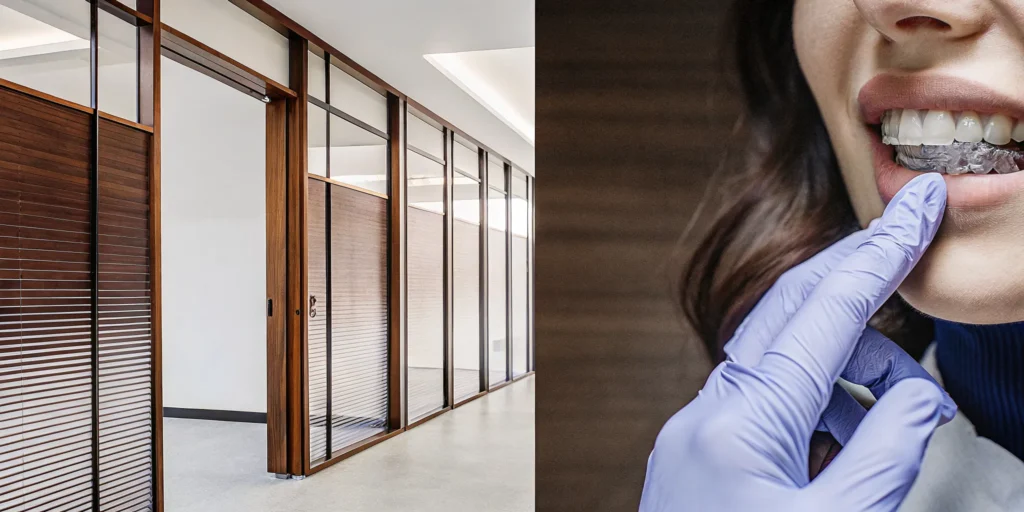
Jaw pain and headaches are often the most noticeable symptoms of a TMJ disorder, but there’s another, quieter problem happening: damage to your teeth. The immense force from chronic grinding and clenching can wear down enamel, cause fractures, and lead to costly restorative work down the road. A custom TMJ splint does more than just relieve pain; it acts as a crucial protective shield for your smile. Understanding how does splint therapy work for TMJ reveals its dual benefit. It not only eases muscle tension and stabilizes your jaw joint but also absorbs destructive forces, aligning with a core philosophy of saving your natural teeth for a lifetime of healthy function.
Key Takeaways
- A splint works by relaxing your jaw muscles: This non-invasive treatment creates a gentle barrier between your teeth, allowing overworked muscles to rest. This addresses the root cause of pain from clenching and grinding, helping to restore comfortable jaw function.
- Your splint must be custom-made: Avoid over-the-counter guards, which can actually make jaw problems worse. A professionally fitted splint is designed for your specific bite, ensuring it safely provides relief and protects your teeth from damage.
- Effective treatment is a guided process: Splint therapy involves more than just wearing the appliance. It includes a thorough assessment, a precise fitting, and follow-up visits to make adjustments as your jaw heals, which is key for achieving lasting comfort.
What is TMJ and Why Does it Hurt?
If you’ve ever felt a pop, click, or persistent ache in your jaw, you might have wondered what’s going on. Often, the culprit is a temporomandibular joint disorder, or TMD. While TMJ technically refers to the joint itself (the temporomandibular joint), you’ll hear people use “TMJ” to describe the disorder. Think of it as a problem that affects the intricate system of your jaw joint and the muscles that help you move your jaw for talking, chewing, and yawning. It’s one of the most complex joints in your body, acting as a sliding hinge connecting your jawbone to your skull.
So, why does it hurt so much? The pain often starts when your lower jaw isn’t sitting in its ideal spot. This misalignment puts a ton of stress on your jaw joints and the surrounding muscles. Imagine a door that’s slightly off its hinges; it still works, but it scrapes and strains with every movement. Similarly, when your bite is off or your muscles are constantly tense, it can lead to inflammation, muscle fatigue, and that nagging pain in your jaw, face, and even your neck. It’s more than a minor inconvenience. For many, it’s a source of chronic discomfort that can interfere with eating, sleeping, and concentrating. Understanding the mechanics behind the pain is the first step toward finding a solution that restores proper jaw function and brings lasting relief.
Recognizing the Symptoms of TMJ
TMJ disorders don’t feel the same for everyone, but there are several telltale signs. You might notice a persistent, dull ache in or around your ear, jaw, or face. Headaches and neck aches are also incredibly common. Many people experience jaw stiffness, especially in the morning, or have trouble chewing certain foods. That distinct clicking, popping, or grating sound when you open your mouth or chew is another classic symptom. In more severe cases, your jaw might even lock, making it difficult to open or close your mouth completely. If any of these sound familiar, it’s a good idea to pay attention, as they are your body’s way of telling you something isn’t right with your jaw’s alignment or muscle activity.
Common Triggers for TMJ Pain
So what causes your jaw to get so out of sync? TMJ pain can be triggered by several factors, and sometimes it’s a combination of things. One of the most frequent causes is bruxism, which is the technical term for grinding or clenching your teeth, especially while you sleep. Many people don’t even realize they’re doing it. Stress is another major contributor, as it often leads to unconscious muscle tension and jaw clenching throughout the day. Other causes can include a direct injury to your jaw, arthritis in the joint, or a misaligned bite where your teeth don’t line up correctly. This misalignment can put uneven pressure on your jaw, contributing to the cycle of pain and dysfunction and potentially damaging your natural teeth over time.
What is Splint Therapy?
If you’re dealing with jaw pain, clicking, or headaches from TMJ, your dentist might bring up splint therapy. So, what exactly is it? Think of a splint as a custom-made, removable dental appliance that fits perfectly over your upper or lower teeth. It’s typically made of a hard, durable plastic and is designed specifically for your mouth and your unique jaw issues. Unlike a generic, over-the-counter mouthguard you might find at a drugstore, a therapeutic splint is a precision instrument.
The process involves taking a detailed mold of your teeth, which is then used to create a splint that fits without flaw. At our practice, having an in-house dental lab gives us complete control over this process, ensuring your splint is crafted with the utmost accuracy for both comfort and effectiveness. The goal isn’t just to cover your teeth; it’s to create a tool that helps your entire jaw system find a healthier, more comfortable balance. This approach is a key part of our TMJ/TMD treatment philosophy, focusing on a conservative yet highly effective solution.
How a Dental Splint Works
A dental splint works by creating a subtle barrier that prevents your upper and lower teeth from interlocking in their usual, often problematic, way. This small separation is incredibly important. It gives your overworked jaw muscles a signal to relax, breaking the cycle of clenching and grinding (bruxism) that contributes to so much TMJ pain. By deprogramming these muscles, the splint helps your lower jaw settle into a more natural and stable position.
This process provides stability to the temporomandibular joint itself, reducing strain and inflammation. It essentially creates a new, ideal balance in your bite that minimizes stress on your joints, muscles, and teeth. By guiding your jaw into a better alignment, the splint helps restore proper jaw function and provides significant relief from symptoms like facial pain, headaches, and jaw stiffness.
Why Dentists Often Recommend Splints First
When it comes to treating TMJ disorders, dentists often recommend splint therapy as a first-line defense for a simple reason: it’s a highly effective and non-invasive approach. Before considering more permanent or surgical options, a custom splint allows us to manage your symptoms, protect your teeth, and stabilize your jaw in a conservative way. For many people, this is the only treatment they need to find lasting relief.
This approach aligns perfectly with a commitment to saving natural teeth. Constant grinding and clenching can cause significant wear, cracks, and damage over time. A splint acts as a protective shield, absorbing the forces that would otherwise harm your enamel. Because it’s a reversible and adjustable treatment, it gives us a safe and reliable way to diagnose your bite issues and effectively manage your pain without making permanent changes to your teeth.
A Look at Different Types of TMJ Splints
When your dentist recommends a splint, it’s not a one-size-fits-all solution. The world of TMJ splints includes several different types, each designed to address specific issues. Think of it like getting glasses; your prescription is unique to your eyes. Similarly, the right splint for you depends entirely on your specific diagnosis and the underlying cause of your TMJ pain. Understanding the main categories can help you have a more informed conversation with your dentist about your TMJ/TMD treatment. Let’s walk through the most common types you might encounter.
Stabilization Splints
A stabilization splint is one of the most frequently used types for TMJ issues. Typically made of a hard, durable plastic, it’s designed to cover all of your upper teeth. The surface is flat, which prevents your top and bottom teeth from locking together in their usual way. This allows your lower jaw to slide freely, helping your overworked jaw muscles to finally relax. It’s an excellent tool for reducing the strain from unconscious clenching or grinding (bruxism), giving your jaw joint a much-needed break and easing muscle tension.
Repositioning Splints
As the name suggests, a repositioning splint is designed to guide your lower jaw into a more ideal position. These are often recommended if your jaw clicks or pops, as the splint gently moves the jaw forward or backward to create a better alignment within the joint. However, these splints are meant for very specific situations and typically for short-term use. Experts caution that using them for too long can cause permanent bite changes, so they require close monitoring by a dental professional to ensure they are helping, not harming, your bite in the long run.
Occlusal Splints
You might hear the term “occlusal splint” used as a general category that includes other types, like stabilization splints. Essentially, occlusal splints are any removable dental appliance that fits over your teeth to manage jaw dysfunction and protect your teeth. By creating a tiny bit of space and preventing your teeth from fully meeting, they help your jaw muscles relax and can guide your jaw into a more comfortable and correct position. They are a key tool for both diagnosing and treating problems within your chewing system.
Custom-Fitted vs. Over-the-Counter: What’s the Difference?
This is a critical distinction. A custom-fitted splint, created by your dentist from impressions of your teeth, is tailored perfectly to your mouth. This precision is key to its success. An over-the-counter “boil-and-bite” guard, on the other hand, is a generic device that often fits poorly. An improper fit can not only be uncomfortable but can actually worsen your symptoms or cause unintended and permanent shifts in your bite. A custom splint is an investment in a safe, effective treatment designed specifically for your anatomy, which is a core part of saving your natural teeth from further damage.
How Splint Therapy Eases Jaw Pain
If you’re dealing with jaw pain, you know how much it can affect your daily life. Splint therapy offers a path to relief by addressing the root causes of the discomfort, not just the symptoms. A custom-fitted splint works in a few key ways to calm your jaw, protect your teeth, and guide your bite back to a more comfortable and functional state. Think of it as a specialized tool designed to give your jaw joint and the surrounding muscles a much-needed break, allowing them to heal and reset. By creating a new, stable balance in your bite, splint therapy can significantly reduce pain and prevent further issues down the road.
Easing Muscle Tension and Bruxism
One of the main jobs of a TMJ splint is to calm overworked jaw muscles. If you grind or clench your teeth (a condition called bruxism), your muscles are in a constant state of tension, leading to soreness, headaches, and fatigue. A splint creates a gentle barrier between your upper and lower teeth, preventing them from fully closing together. This simple separation encourages your jaw muscles to relax. Instead of constantly firing and straining, they can finally rest. This is especially helpful at night, when grinding is often unconscious and most intense. The splint absorbs the pressure, giving your muscles a break and reducing the strain on your entire jaw system.
Correcting Jaw Alignment
Beyond just relaxing muscles, a splint can help guide your jaw into a healthier, more stable position. When your jaw is misaligned, it puts a lot of stress on the temporomandibular joint itself. A custom splint is carefully designed to reposition your jaw, alleviating that direct pressure on the joint. The goal of this TMJ/TMD treatment is to find a new, more harmonious balance between your jaw, joints, and muscles. It’s a process of gently re-educating your bite into a position where it can function without pain or strain. This corrected alignment is a crucial step toward long-term relief and restoring comfortable jaw movement.
Protecting Your Teeth from Damage
Constant grinding and clenching don’t just hurt your jaw muscles; they can cause serious damage to your teeth. The immense force can lead to worn-down enamel, chips, and even fractures. A splint acts as a protective shield, absorbing the impact and distributing the forces evenly. Custom splints are typically made from a durable, hard acrylic resin that can withstand the pressure of bruxism, protecting your natural teeth from wear and tear. By wearing a splint, you’re not only managing your immediate pain but also making a critical investment in saving your natural teeth and preventing the need for more extensive dental work in the future.
What to Expect from Splint Therapy Treatment
Starting splint therapy is a proactive step toward finding relief from jaw pain, and knowing what the process looks like can make it feel much more manageable. The journey is a partnership between you and our team, designed to create a solution tailored specifically to your needs. From the moment you walk in for your first assessment to the final adjustments of your custom splint, our focus is on understanding your symptoms and restoring comfortable jaw function. This isn’t just about giving you an appliance; it’s about creating a comprehensive plan to bring your entire jaw system back into harmony.
The entire process is centered around precision and a deep understanding of how your bite, muscles, and joints work together. We don’t believe in one-size-fits-all solutions, especially when it comes to something as complex as your jaw. We’ll take the time to evaluate your unique situation, listen to your concerns, and design a therapy plan that addresses the root cause of your discomfort. This involves creating a perfectly fitted oral appliance, guiding you on how to use it for the best results, and scheduling regular check-ins to monitor your progress. Our ultimate goal is to help you find lasting relief and protect your smile for years to come by improving your overall dental function.
Your Initial TMJ Assessment
Your first appointment is all about discovery. This is our chance to get a complete picture of what you’re experiencing so we can create a truly effective plan. During this initial consultation, we’ll carefully evaluate your symptoms, discuss your concerns, and perform a thorough examination of your jaw, bite, and surrounding muscles. We’ll check your range of motion, listen for any clicking or popping sounds in the joint, and look for signs of wear on your teeth. This conversation, combined with a physical assessment, helps us pinpoint the specific factors contributing to your TMJ disorder. Think of it as the foundational step where we gather all the necessary information to map out your personalized path to relief.
Getting Fitted for Your Custom Splint
Once we’ve determined that a splint is the right approach, the next step is creating your custom appliance with meticulous care. Because there is no one-size-fits-all solution for jaw pain, your splint will be made specifically for your mouth using precise impressions of your teeth. Most of our splints are crafted from a hard acrylic resin, which is the gold standard for durability, comfort, and adjustability. Having our own in-house dental lab is a significant advantage, as it gives us complete control over the quality and customization of your appliance. This ensures it meets our exacting standards and provides the ideal support to gently guide your jaw into a healthier, more stable position.
Wearing and Caring for Your Splint
Your custom splint, sometimes called a bite splint or nightguard, is designed to be simple to use and integrate into your routine. Most patients wear their appliance at night to reduce pressure on the jaw and protect teeth from the damaging effects of grinding or clenching (bruxism). We’ll give you specific instructions, but consistent use is the most important factor for success. It allows your overworked jaw muscles to finally relax, breaking the cycle of tension and pain. Caring for your splint is also easy: just brush it gently with a toothbrush and cool water after each use. This simple habit is a powerful way of saving your natural teeth from unnecessary wear.
The Adjustment Period: What’s Normal?
When you first start wearing your splint, it’s normal for it to feel a little strange or bulky. Your mouth is getting used to a new appliance, and some patients experience temporary changes in their bite or a slight increase in salivation. This is a positive sign that the splint is actively working to guide your jaw into a new, healthier position. Most people adjust to the feeling within a week or two of consistent wear. However, your comfort is our priority. If you experience any sharp pain or significant discomfort that doesn’t subside, please let us know. We can easily make small adjustments to ensure the splint fits perfectly without causing irritation.
Follow-Up Visits and Adjustments
Splint therapy isn’t a “set it and forget it” treatment; it’s a dynamic process that we monitor closely with you. Your progress is important to us, which is why we’ll schedule regular follow-up visits. These appointments allow us to check how your jaw is responding, assess your symptoms, and make any necessary adjustments to the splint. As your jaw muscles relax and your bite settles into a more comfortable position, minor modifications are often needed to maintain the ideal fit and function. Think of these check-ins as a positive part of the process, ensuring your treatment adapts to the improvements you’re making and keeps you on the path to feeling better.
Key Benefits of Using a TMJ Splint
If you’re dealing with jaw pain, you know it can affect everything from eating your favorite foods to getting a good night’s sleep. Splint therapy is often a starting point for treatment because it offers significant benefits that go beyond just temporary relief. It’s a conservative and effective way to address the root causes of TMJ discomfort and protect your smile for the future. Let’s look at some of the key advantages of using a custom-fitted TMJ splint.
Relief from Pain and Muscle Tension
One of the most immediate benefits of a TMJ splint is how it eases the constant strain on your jaw muscles. When you clench or grind your teeth, those muscles become overworked and inflamed, leading to headaches, facial pain, and neck stiffness. A splint creates a gentle barrier between your upper and lower teeth, preventing them from making hard contact. This allows your jaw muscles to finally relax. By reducing this tension, the splint helps calm inflammation and significantly lessens the pain that disrupts your daily life, restoring proper jaw function and comfort.
Prevention of Long-Term Dental Damage
Beyond just managing pain, a splint acts as a protective shield for your teeth. The immense pressure from chronic grinding (bruxism) can cause serious and permanent damage over time, including worn-down enamel, chips, cracks, and even fractures. A custom splint absorbs the forces of clenching and grinding, protecting your teeth from this destructive habit. Think of it as an investment in your oral health. By wearing a splint, you are taking a proactive step toward saving your natural teeth and avoiding the need for more complex and costly restorative procedures down the road.
A Key Step in Your Treatment Plan
A TMJ splint is more than just a pain-relief device; it’s a critical part of your overall treatment strategy. Using a splint is a non-surgical, reversible first step that helps your dentist understand the specifics of your jaw issues. As your muscles relax and your bite stabilizes, we can more accurately diagnose the underlying cause of your TMJ disorder. This process provides valuable information that guides the next phases of your care. It’s a foundational part of a comprehensive approach that aims to create lasting stability and health for your jaw, not just a temporary fix.
Combining Splint Therapy with Other Treatments
Think of splint therapy as the solid foundation for your TMJ treatment. For many people, it’s the most important first step, but it doesn’t always work in isolation. Because TMJ disorders can be complex, the most effective approach often involves combining your splint with other therapies. This strategy helps address the different factors contributing to your pain, from muscle tension to daily stress.
Working with a prosthodontist like Dr. Clark means you get a comprehensive plan tailored to your specific needs. He can help coordinate your care to ensure every part of your treatment works together. The goal is to not only relieve your immediate pain but also to restore healthy, comfortable jaw function for the long term. By looking at the bigger picture, we can create a path toward lasting relief.
The Role of Physical Therapy and Stress Management
Your jaw is part of a complex system of muscles and joints, so it makes sense that other parts of your body can influence it. This is where physical therapy comes in. A physical therapist can teach you exercises to stretch and strengthen your jaw, neck, and shoulder muscles. This helps release tension that contributes to TMJ pain and improves your jaw’s range of motion.
At the same time, managing stress is a huge piece of the puzzle. Many of us hold tension in our jaws, leading to clenching and grinding, especially when we’re stressed or asleep. Learning stress-reduction techniques like mindfulness, meditation, or even just making time for relaxing hobbies can make a significant difference. Combining these practices with your splint creates a powerful approach to TMJ/TMD treatment.
When to Consider Anti-Inflammatory Medication
When you first start splint therapy, your jaw muscles are learning to relax into a new, healthier position. During this adjustment period, you might feel some temporary discomfort or soreness. This is completely normal. To help manage this, we may suggest using an over-the-counter anti-inflammatory medication, like ibuprofen, for a short time.
This medication can help reduce inflammation in the jaw joint and ease muscle pain, making the initial phase of treatment more comfortable. It’s not a long-term solution, but it can provide the relief you need while your splint begins to do its work. It’s always best to have an honest conversation about your options and any concerns you have, so we can make sure your treatment plan is as comfortable and effective as possible.
Common Myths About TMJ Splints
When you’re dealing with persistent jaw pain, it’s easy to get lost in the sea of information online. Unfortunately, a lot of it can be misleading, especially when it comes to treatments like splint therapy. Let’s clear up a few common myths about TMJ splints so you can feel more confident and informed about your path to relief. Understanding what a splint can and can’t do is the first step toward setting realistic expectations and achieving the best possible results.
Myth: “A splint will permanently fix my TMJ.”
It’s a common hope that a splint will act as a magic wand for jaw pain. While splints are incredibly effective, it’s more accurate to see them as a powerful management tool rather than a permanent cure. TMJ disorders are often complex, and a splint is designed to address key symptoms by easing muscle tension, preventing teeth grinding, and guiding your jaw into a more comfortable position. For many people, this brings significant relief and stops further damage. Think of it as a crucial part of a comprehensive plan to restore your jaw’s healthy function. The goal is long-term stability, and the splint is often the most important step on that journey.
Myth: “Any over-the-counter splint is fine.”
You’ve probably seen over-the-counter night guards at the pharmacy and wondered if they’re good enough. While they might seem like a quick and inexpensive fix, a generic guard can sometimes do more harm than good. These one-size-fits-all devices aren’t designed for your specific bite or jaw issue and can even worsen your alignment. A custom-fitted occlusal splint, however, is crafted from durable materials and is molded to your unique bite. Dr. Clark uses an in-house dental lab to ensure your splint is perfectly tailored to your needs. This precision is what allows the splint to effectively relax your muscles and protect your teeth without accidentally shifting your bite in a negative way.
Myth: “My results will be the same as someone else’s.”
Your friend’s experience with a TMJ splint might be completely different from yours, and that’s perfectly normal. Because the underlying causes of TMJ pain vary so much from person to person, so do treatment plans and outcomes. Your results depend on factors like the specific type of your TMJ disorder, how consistently you wear the splint, and your body’s unique response. That’s why a personalized approach is so important. We take the time to answer your questions, monitor your progress, and make adjustments as needed. Your treatment is a partnership, and this dedication to customized care is at the heart of our practice.
Is Splint Therapy Right for You?
If you’re dealing with persistent jaw pain, headaches, or a clicking sound when you chew, you’ve probably wondered what can be done about it. While splint therapy is a highly effective and non-invasive treatment for many people, it’s not a one-size-fits-all solution. The only way to know for sure if a splint is the right next step for you is to have a conversation with a dental specialist who understands the intricate workings of the jaw. You don’t have to figure this out alone.
The first step is a thorough assessment to get to the root of your discomfort. During this appointment, we’ll discuss your specific symptoms, from jaw stiffness and limited movement to facial pain and teeth grinding. A specialist will evaluate your bite and how your jaw moves to understand the complete picture of your dental function. This detailed evaluation helps determine if your symptoms point toward a TMJ disorder that a splint can help manage.
If splint therapy is the right path, the process is entirely personalized. We take precise digital scans of your mouth to create an appliance that is crafted specifically for you. Having an in-house dental lab gives us a significant advantage, allowing us to design and adjust your splint with an exceptional level of detail and control. This ensures the final appliance fits comfortably and works effectively to ease muscle tension and guide your jaw into a more stable position. The goal is to create a splint that provides relief, not just another piece of plastic.
Frequently Asked Questions
How long will I have to wear the splint? The timeline for splint therapy is different for everyone and depends on your specific situation. Some people experience significant relief after a few months of consistent nightly use. For others, wearing the splint long-term becomes a way to manage chronic issues like teeth grinding and prevent pain from returning. We will create a plan based on your progress and the root cause of your jaw pain, adjusting as we go.
Will the splint be uncomfortable or affect my sleep? It’s normal for a new splint to feel a little strange for the first few nights as your mouth gets used to it. Because your appliance is custom-made for a perfect fit, most people adapt very quickly and find it doesn’t disrupt their sleep. In fact, many patients report sleeping much better once the splint begins to relieve the muscle tension that was causing their discomfort in the first place.
What’s the real difference between a custom splint and a store-bought nightguard? A therapeutic splint is a precision medical device designed to do much more than just protect your teeth. While a basic nightguard from a pharmacy provides a simple cushion, a custom splint is engineered to guide your jaw into a more stable and relaxed position. This helps deprogram overworked muscles and correct the alignment issues that cause pain, making it a true treatment tool, not just a protective barrier.
Can I just do jaw exercises instead of getting a splint? Jaw exercises and physical therapy can be very helpful for releasing muscle tension, but they don’t address the core issue of how your teeth meet and how your jaw is positioned, especially while you sleep. A splint works by creating an ideal bite surface that allows your jaw to rest in a stable position for hours at a time. Combining exercises with splint therapy often produces the best results, as each one addresses a different part of the problem.
How do I know if my jaw pain is serious enough for a splint? If your jaw pain, headaches, or clicking sounds are persistent and interfere with your daily life, it’s worth looking into. You don’t have to be in constant, severe pain to benefit from an evaluation. A splint is often recommended as a conservative first step to prevent minor issues from becoming more serious and to protect your teeth from long-term damage. The best way to know for sure is to schedule a consultation to discuss your symptoms.