


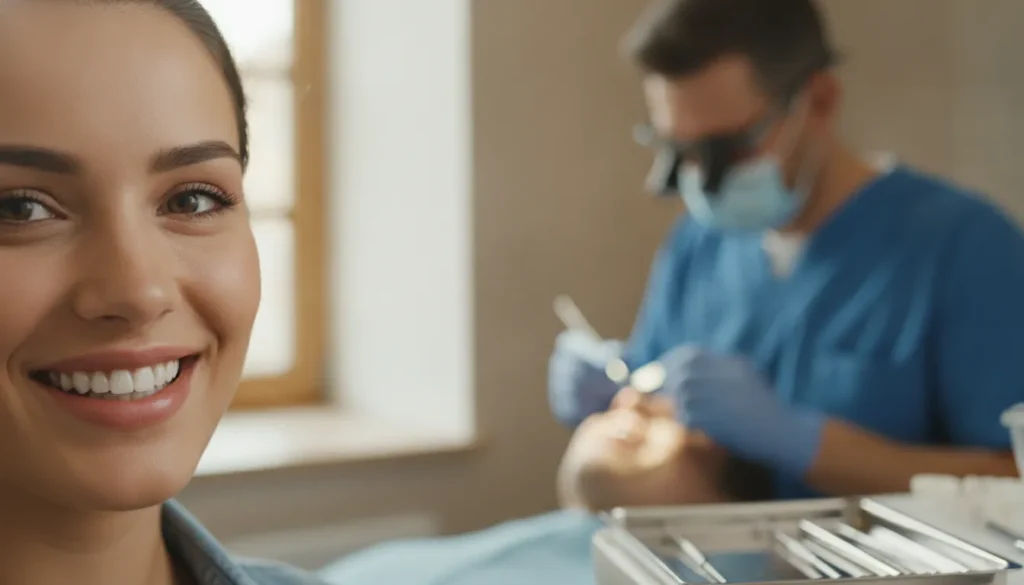
A smile that looks beautiful in a photograph still needs to function comfortably in everyday life. That is why porcelain veneers and other cosmetic treatments deserve more than a shade selection and a quick cosmetic fix. The design must account for enamel, bite, gum health, facial proportions, and the long-term condition of each tooth.
Choosing a cosmetic dentistry prosthodontist roseville patients can trust means working with a specialist trained to coordinate appearance and function. Porcelain veneers are custom-made shells that cover the front surfaces of teeth to conceal concerns such as chips. Stains, gaps, or uneven shape, but they are not appropriate for every mouth. A careful evaluation comes first, especially when decay, gum disease, tooth wear, or jaw discomfort may be part of the picture.
For patients considering veneers in Roseville, the meaningful difference is often the planning behind the treatment. A board-certified prosthodontist can assess the underlying conditions, explain alternatives, and use a multi-visit process to develop a personalized plan. That specialist perspective is the starting point for understanding why many patients seek prosthodontic care for cosmetic dentistry.
Schedule a consultation to begin with a thorough evaluation.
Why Roseville Patients Choose a Cosmetic Dentistry Prosthodontist
Choosing a cosmetic dentistry prosthodontist in Roseville, CA gives patients access to aesthetic care. The same principles used to restore comfort, stability, and long-term oral function guide that care. Cosmetic treatment is not simply about changing the visible surfaces of teeth. It should account for how teeth meet, how the jaw moves, how existing restorations function. And how any proposed changes fit the patient’s facial features and overall oral health.
That broader perspective begins with specialist training. Prosthodontists complete at least three additional years of training in an American Dental Association-accredited graduate program after dental school. This advanced education focuses on complex restorative care, replacing missing teeth, reconstructing damaged teeth, and planning treatment where appearance and function are closely connected. For a patient considering veneers, bonding, crowns, or a more comprehensive smile plan. That background can be particularly relevant when the concern involves more than color or minor shape.
Dr. Jefferson Clark is a board-certified prosthodontist and Fellow of the American College of Prosthodontists. Fewer than 500 board-certified prosthodontists practice in California, making this level of specialty certification a meaningful distinction for patients seeking advanced restorative and cosmetic care. Credentials do not predict a particular aesthetic result, but they show the depth of training and examination behind the treatment-planning process.
A prosthodontist also looks for relationships that may be easy to miss in a purely cosmetic evaluation. Uneven wear, fractured teeth, an uncomfortable bite, clenching, or jaw symptoms can influence whether a proposed restoration is appropriate and how it should be designed. Prosthodontists are uniquely trained to integrate aesthetic treatments with functional correction, rather than treating the smile and the rest of the bite as unrelated concerns. In some cases, this may involve addressing a functional issue before cosmetic treatment. In others, it may simply mean designing restorations that respect the patient’s existing function.
Roseville patients can explore expert cosmetic dentistry with that specialist-first approach. The goal is a careful assessment of the teeth, gums, bite, and personal priorities before recommending a treatment. A multi-visit consultation can provide time to understand the underlying concerns, discuss appropriate options. And plan thoughtfully instead of rushing toward a procedure selected only because it looks appealing in a photograph.
That process is especially important because cosmetic dentistry includes several different treatments, and the most visible option is not always the most suitable one. A conservative plan may involve whitening or bonding. Another patient may benefit from porcelain veneers, restorative treatment, or functional care before any cosmetic changes are considered. The right starting point is a diagnosis and conversation grounded in the patient’s needs, not a one-size-fits-all smile design.
What Porcelain Veneers Can and Cannot Fix
Porcelain veneers are custom-made shells bonded to the front surfaces of teeth. They can conceal visible chips, cracks, and discoloration, creating a more even appearance without covering the entire tooth. They may also camouflage a gap between teeth, misshapen teeth, or teeth that look disproportionately small. For patients whose stains do not respond adequately to whitening, veneers can provide another cosmetic option. Custom porcelain veneers are designed around the individual tooth shape, smile, bite, and surrounding facial features rather than applied as a uniform treatment.
That distinction matters. Veneers improve appearance, but they are not a universal repair for every dental problem. They do not replace treatment for active disease, and they do not automatically strengthen a structurally compromised tooth. A tooth with extensive decay, active gum disease, or insufficient healthy enamel may need restorative or periodontal care before cosmetic treatment can be considered. In some cases, a crown or another restoration is more appropriate because a crown covers the entire tooth and provides strength and protection. A veneer covers primarily the front surface.
When veneers may be an appropriate cosmetic solution
The strongest candidates typically have a stable foundation and a clearly defined aesthetic concern. A veneer may help refine the proportion of a tooth, soften the appearance of a small chip, or create visual continuity across several front teeth. It can also address certain types of intrinsic or persistent staining that do not improve with standard whitening. The goal is not simply to make teeth brighter. It is to balance shade, shape, position, texture, and the way the teeth function together.
That assessment requires practitioner judgement. A specialist evaluates the enamel available for bonding, the health of the gums. The relationship between the upper and lower teeth, and habits that could place excessive force on the restorations. If clenching, an unstable bite, or another functional concern is present, treating the visible imperfection alone may leave the underlying problem unaddressed. A prosthodontic evaluation considers both the appearance a patient wants and the conditions needed for a sound restoration.
What patients should understand before treatment
Porcelain veneers are permanent and irreversible because placing them generally requires removing a small amount of enamel. Although the preparation can be conservative, it is still a commitment to ongoing restorative care. Research on porcelain veneers emphasizes the importance of keeping the preparation in enamel when possible and using correct adhesive procedures and bonding materials. These clinical details are part of why careful diagnosis and planning matter as much as the final shade or shape.
Veneers also cannot prevent future cavities or gum disease. The natural tooth remains beneath and around the restoration, so daily hygiene and professional maintenance continue to be essential. A responsible recommendation may be veneers, a different restoration, preliminary health treatment, or no treatment at all. The appropriate choice depends on the condition of the teeth and the patient’s goals, not on a desire to place veneers where they are not indicated.
The Prosthodontist Advantage: Specialist Training Meets the In-House Lab
Cosmetic dentistry is not simply the process of making teeth look brighter or more symmetrical. It is restorative care that must account for tooth structure, bite, gum health, facial proportions, materials, and the way a restoration will function over time. That broader perspective is where specialist training becomes meaningful.
Prosthodontists complete at least three additional years of training in an American Dental Association-accredited graduate program after dental school. Their education focuses on complex restorative and cosmetic dentistry, including the planning and execution of treatments that may involve multiple teeth or the relationship between aesthetics and function. You can learn more about specialized prosthodontic expertise and how it differs from a general approach.
Dr. Jefferson Clark is a board-certified prosthodontist and Fellow of the American College of Prosthodontists. Fewer than 500 board-certified prosthodontists practice in California, a distinction that reflects focused specialty training and examination rather than a generic cosmetic designation. Credentials do not guarantee a particular result, but they help establish the depth of education behind the planning process.
Planning beyond the visible tooth
A veneer, bonding treatment, or crown is part of a larger oral system. Before recommending cosmetic treatment, a prosthodontist considers whether the teeth and gums are healthy enough for the procedure. How the bite distributes force, and whether an underlying functional issue could compromise the plan. This may mean discussing tooth position, enamel preservation, wear patterns, or jaw and muscle symptoms before selecting a material or design.
That distinction matters because the most attractive design on a model is not automatically the right design for a particular patient. A careful evaluation helps determine whether the goal is best addressed with porcelain, composite, whitening, restorative treatment, or a combination. It also creates space for honest discussion about what treatment can and cannot change.
Why an in-house lab changes the workflow
Specialist planning is strengthened when the clinician and laboratory team can work closely together. Dr. Clark’s in-house dental lab operates in the same building and uses 3D printing, 5-axis milling, and CAD/CAM technology. This gives the practice greater control over the fabrication, customization, and evaluation of porcelain restorations.
That control can be especially valuable when refining details such as contours, proportions, contact points, and shade. Instead of treating fabrication as a distant handoff, the clinical and technical sides of care can communicate directly during the process. The result is a more deliberate workflow, with decisions guided by the patient’s anatomy and treatment plan rather than by a one-size-fits-all template.
The defensible difference is therefore not a single machine or credential. It is the combination of advanced prosthodontic training, comprehensive diagnosis, and direct access to a lab equipped for precise digital and analog fabrication. For patients considering cosmetic dentistry in Roseville, that combination supports a treatment plan built around health, function, and personal goals, not appearance alone.
Porcelain Veneers vs. Composite Veneers: Which Option Is Right for You?
Both porcelain veneers and composite veneers can improve the appearance of teeth with chips, stains, uneven edges, or proportions that do not suit the rest of the smile. The better choice depends on more than the material itself. Your enamel, bite, oral health, timeline, budget, and expectations all matter. A consultation with a cosmetic dentistry prosthodontist in Roseville should evaluate those factors before recommending a restoration.
Porcelain generally offers the more translucent, enamel-like appearance, while composite bonding can be a conservative and adaptable way to make changes. Neither option is automatically right for every patient. The comparison below highlights the practical differences to discuss during treatment planning.
| Consideration | Porcelain veneers | Composite veneers (bonding) |
|---|---|---|
| Material and appearance | Made from dental porcelain. Its optical qualities can create a more natural, translucent look that closely resembles enamel when appropriately designed and shaded. Learn more about veneer materials. | Built from tooth-colored composite resin. It can be carefully shaped and polished to improve color, contour, and symmetry, although its optical behavior differs from porcelain. |
| Longevity and dedication | Porcelain veneers have demonstrated strong medium- to long-term aesthetic performance and high patient satisfaction in clinical research when appropriately bonded. They require careful planning and ongoing maintenance. | Composite can be a practical option for selected cases and is generally easier to modify or repair. It may require periodic polishing or maintenance as the material experiences normal use. |
| Typical cost per tooth | $1,500-$2,500 per tooth. | $250-$1,500 per tooth, depending on the complexity and extent of bonding. |
| Enamel preparation and reversibility | Usually requires removing a small amount of enamel, so treatment is considered permanent and not reversible. Preserving healthy enamel whenever possible supports the bonded restoration. | Often allows a more conservative approach, though the amount of preparation depends on the tooth and design. “Reversible” should be discussed carefully, because bonded material and any preparation still alter the tooth surface. |
| Procedure time | Typically involves design and preparation followed by fabrication and placement, with timing determined by the number of teeth and the treatment plan. | Can often be shaped directly on the tooth in fewer visits, making it appealing when a patient wants a shorter treatment timeline. |
| Repair and adjustment | Minor issues may sometimes be managed, but a damaged veneer may require replacement. Matching the shade and contours is important for a natural result. | Composite can often be repaired, reshaped, or polished in the office. The repair approach depends on the location and extent of the damage. |
There is also an important distinction between a cosmetic veneer and a structural restoration. A veneer covers the front surface of a tooth, while a crown covers the entire tooth to add strength and protection. If decay, cracks, weakened enamel, gum disease, or bite forces are present, those concerns should be addressed before choosing either veneer approach. The goal is not simply to place a material over a visible problem, but to select a restoration that fits your oral health and functional needs.
During planning, ask how much enamel would be preserved, how the proposed shape will affect your bite, and how the final shade will coordinate with your other teeth. A prosthodontic evaluation can help balance appearance, biology, and function rather than treating the material choice as a one-size-fits-all decision.
The Custom Cosmetic Process: From Consultation to Final Placement
A lasting cosmetic result begins before any tooth is prepared. The goal is not simply to select a shade or cover a visible imperfection. It is to understand how your teeth, gums, bite, facial proportions, and daily habits work together, then design a restoration that respects both appearance and function. A multi-visit process gives that planning the time it deserves. It is a sign of thoroughness, not an unnecessary delay.
-
Consultation and comprehensive assessment
The first visits focus on listening and diagnosis. Your concerns, goals, medical and dental history, existing restorations, gum health, tooth structure, bite, and facial proportions all inform the plan. If clenching, uneven bite forces, tooth wear, or TMJ symptoms could affect the result, those factors need attention before cosmetic treatment is finalized. This root-cause approach helps determine whether veneers are appropriate and whether another restorative option would better protect your teeth. A multi-visit consultation is designed for comprehensive planning rather than treating only the most obvious symptom. Learn more about specialized prosthodontic expertise.
-
Shade selection and smile design
Once the foundation is understood, the smile design is developed around your features and priorities. This includes evaluating tooth length, width, shape, midline, proportion, and how the teeth show when you speak and smile. Shade selection is considered in the context of your complexion, natural teeth, and any planned whitening. The objective is not an artificially uniform result. It is a balanced design that looks intentional while retaining the variation and light behavior associated with natural enamel. You should have the opportunity to review the proposed direction and ask questions before preparation begins.
-
Conservative preparation
Porcelain veneers require removal of a small amount of enamel, so the procedure is permanent and should be approached conservatively. Preparation is guided by the design and by the existing tooth structure, with the aim of preserving healthy enamel whenever possible. This is more than a cosmetic preference. Clinical evidence indicates that a veneer preparation located completely in enamel, combined with correct adhesive procedures and an appropriate luting composite, supports a strong bonded restoration complex. Your clinician will also confirm that active decay or significant gum disease is addressed before veneers are placed.
-
Fabrication in the in-house lab
After the preparation and design are established, the restorations are fabricated to the approved specifications. An in-house dental lab provides close coordination between the clinical and technical sides of care. At Dr. Clark’s practice, same-building 3D printing, 5-axis milling, and CAD/CAM capabilities allow greater control over customization, fit, and color communication. This proximity makes it easier to refine details that matter in a natural-looking smile, rather than treating fabrication as a disconnected step.
-
Try-in, bonding, and final placement
Before permanent placement, the veneers are evaluated for fit, contours, shade, speech, and how they relate to your smile. Once the design is confirmed, the teeth and restorations are carefully prepared for bonding. Precise adhesive technique, isolation, enamel preservation, and thoughtful selection of the luting composite are essential parts of this stage. The veneers are then seated and adjusted so the result supports comfortable function as well as the planned appearance. This final visit is not a simple handoff. It is the point where careful diagnosis, design, laboratory craftsmanship, and clinical technique come together.
How Much Do Porcelain Veneers Cost in Roseville?
Porcelain veneers in Roseville typically range from $1,500 to $2,500 per tooth. That range reflects the custom nature of the restoration, the number of teeth involved, the planning required, and the materials and laboratory work selected for your case. It is a range, not a single promised price. A precise estimate requires an examination and a thoughtful discussion of your goals, oral health, bite, and the condition of the teeth being considered.
Composite bonding is another cosmetic option, generally ranging from $250 to $1,500 per tooth. It may be appropriate when a patient needs a smaller change or wants a more conservative alternative. Porcelain and composite are not interchangeable in every situation, however. The right choice depends on factors such as the amount of change desired, the existing enamel. Tooth function, and how the restoration needs to perform as part of the smile.
What is included in a veneer investment?
The cost of porcelain veneers involves more than the porcelain shell itself. A specialist evaluates the health and structure of the teeth, the relationship between the upper and lower jaws. The smile line, facial proportions, and the way you bite and speak. This planning helps determine whether veneers address the underlying concern or whether another restorative approach should come first. Veneers are cosmetic restorations, so active decay or gum disease must be addressed before treatment is considered.
Custom fabrication is another important part of the process. Dr. Jefferson Clark’s same-building in-house dental lab uses digital design, CAD/CAM, 3D printing, and 5-axis milling to support control over the customization and color matching of porcelain restorations. The in-house lab does not mean veneers cost less, and it should not be presented as a shortcut around clinical planning. Its value is the communication and precision it can support when designing a restoration for a particular patient. The private care model also allows longer appointments and more thorough treatment planning, rather than reducing a complex decision to a quick price quote.
Why a consultation matters before comparing prices
When comparing veneer costs, ask what the proposed care includes and who is responsible for the diagnosis, design, laboratory coordination, and final placement. A board-certified prosthodontist brings advanced training in complex restorative and cosmetic care, which can be especially valuable when appearance and function overlap. The goal is not simply to place the most visible restoration. It is to understand your priorities, protect your oral health, and recommend an approach that is appropriate for your smile.
A multi-visit consultation gives space for that evaluation. It also gives you an opportunity to review the proposed plan, materials, timeline, and fees before deciding whether porcelain veneers are right for you.
Caring for Porcelain Veneers and Keeping Your Smile White
Porcelain veneers are designed to look like natural tooth structure, but they still depend on the health of the teeth and gums beneath and around them. A consistent home-care routine helps protect those supporting tissues and keeps your smile looking balanced over time. Brush twice daily with a soft-bristled toothbrush and fluoride toothpaste, and clean carefully along the gumline. Floss or use another dentist-recommended interdental cleaner each day, especially where veneer margins meet neighboring teeth.
Veneers are not a substitute for routine preventive care. Plaque and inflammation can affect the gumline, while decay may develop at vulnerable margins if oral hygiene is neglected. Regular examinations and professional cleanings allow your dental team to monitor the veneers, gums, bite, and the natural teeth that support your smile. For patients with a history of clenching or grinding, a properly designed protective appliance may also be appropriate, based on an individual evaluation.
Everyday habits matter as well. Avoid using your teeth to open packages, bite fingernails, or chew hard objects. Although porcelain is a durable restorative material, excessive force can place unnecessary stress on a veneer or the tooth beneath it. If you notice a change in your bite, sensitivity, roughness, or a veneer that feels loose, contact your dentist rather than trying to adjust it yourself. A prosthodontist can assess whether the concern involves the veneer, the bite, or an underlying functional issue.
Whitening requires a little more planning when veneers are part of the smile. Whitening products change the color of natural teeth, but they do not change the shade of existing porcelain. Professional whitening is generally more effective and longer-lasting than over-the-counter products. And Mayo Clinic reports that results can last about two years, although durability varies by patient and habits. A prosthodontist can evaluate your current restorations and discuss an appropriate plan for achievable shade improvement without creating an uneven color relationship between natural teeth and porcelain.
For patients considering custom porcelain veneers, maintenance begins before placement. Long-term clinical performance depends in part on careful planning, preparation that preserves enamel when appropriate, and correct adhesive and bonding procedures. Those technical details, combined with thoughtful daily care and regular specialist check-ups, support a smile that remains healthy as well as attractive.
Schedule a consultation to review your options in person.
Frequently Asked Questions
What is the difference between a general dentist and a prosthodontist?
A prosthodontist completes at least three years of additional post-doctoral training in complex restorative care, including cosmetic dentistry, dental implants, and full-mouth rehabilitation. That specialist perspective helps connect smile design with bite, tooth structure, and long-term function. The American College of Prosthodontists describes this advanced training as part of prosthodontic specialty credentials.
Why choose a prosthodontist for cosmetic dentistry in Roseville?
The right choice depends on your goals and oral health, but a prosthodontist is trained to plan cosmetic changes alongside functional correction. A board-certified specialist can evaluate wear, bite forces, damaged teeth, and existing restorations before recommending veneers or another option. This is especially valuable when a cosmetic concern is connected to a broader restorative issue.
Does cosmetic dentistry include veneers and dental implants?
Yes. Cosmetic dentistry can include porcelain veneers, composite bonding, professional whitening, and implant-supported restorations. Veneers improve the visible appearance of teeth, while implants replace missing tooth roots and support a restoration. Your treatment plan should be based on health, function, and the specific appearance you want to change.
How long does a porcelain veneer procedure take?
Porcelain veneers commonly require two or more appointments, although the timeline varies with the number of teeth, preparation needs, laboratory work, and any underlying treatment. A multi-visit consultation allows the design, shade, bite, and tooth health to be reviewed carefully before final placement.
Can a prosthodontist fix damaged teeth with cosmetic procedures?
Often, yes, but veneers are not appropriate for every damaged tooth. They primarily cover the front surface and improve appearance, while a crown may be more suitable when a tooth needs full-coverage strength. Extensive decay or active gum disease should be addressed before veneer treatment. Cleveland Clinic explains these distinctions and candidacy considerations.
Ready to Plan Your Next Step?
A thoughtful consultation can help connect your cosmetic goals with the health, function, and proportions of your smile. If you are considering porcelain veneers or another cosmetic treatment, the right approach depends on your personal situation.
Schedule a consultation to discuss your options with Dr. Clark and determine what approach fits your needs.