


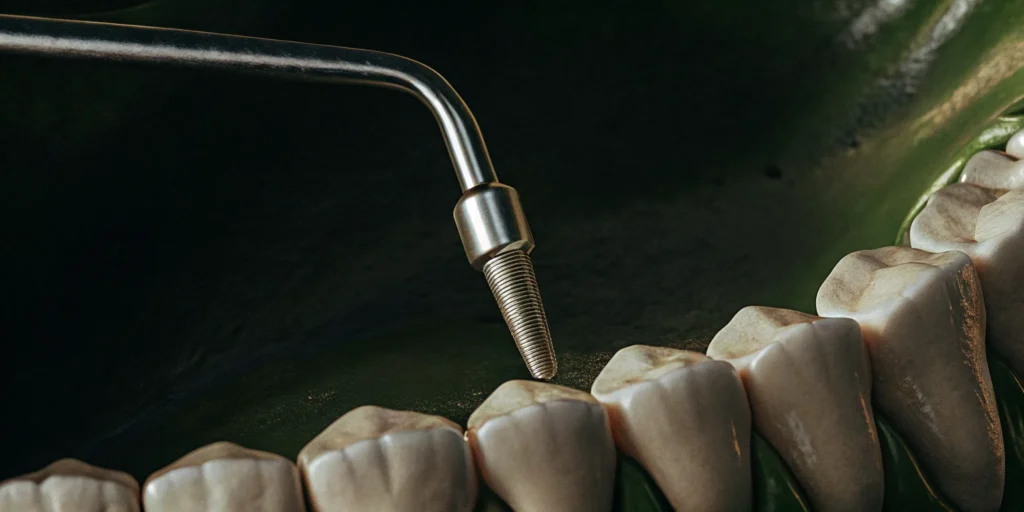
When you’re planning a garden, you prepare the soil before you plant the seeds. The same logic applies to your smile. After a tooth is removed, the area needs to be properly prepared for whatever comes next. A tooth extraction and bone graft is a common, two-part procedure designed to do just that. It’s a proactive step that rebuilds and preserves your jawbone, creating a healthy and stable foundation for a future dental implant. Think of it as setting the stage for a successful, long-lasting restoration that will look and feel completely natural for years to come.
Key Takeaways
- Preserve Your Jaw for Future Options: A bone graft after an extraction is a preventative measure. It stops the jawbone from shrinking, which maintains your facial structure and ensures you have enough bone to support a dental implant down the road.
- The Procedure is Simpler Than You Think: The process involves gently removing the tooth, placing graft material into the empty socket, and protecting it with a membrane and stitches. Your prosthodontist will select the best material for you, whether it’s from a donor, a synthetic source, or your own body.
- Follow Aftercare for a Strong Foundation: Your recovery plays a big part in the graft’s success. Sticking to a soft food diet, keeping the site clean as instructed, and watching for warning signs will help your body build the strong, new bone needed for a permanent restoration.
Why You Might Need a Bone Graft After a Tooth Extraction
Hearing you might need a bone graft after a tooth extraction can sound intimidating, but it’s a common and straightforward procedure with a clear purpose: to preserve your jawbone. Think of it as preparing the foundation for your future smile. When a tooth is removed, the area underneath it begins to change. A bone graft helps maintain the jaw’s shape and density, which is especially important if you’re planning to get a dental implant later on. It’s a proactive step that keeps your options open and sets you up for the best possible long-term results.
What Happens to Your Jaw When a Tooth Is Lost
Your teeth do more than just chew food; their roots act like anchors that stimulate your jawbone, keeping it strong and healthy. When you lose a tooth, you also lose the root that keeps your jawbone active. Without that stimulation, the body begins to resorb the bone tissue in that area, causing it to shrink in both height and width. This process, known as bone resorption, can begin surprisingly soon after a tooth is removed. A bone graft helps prevent this by filling the empty socket with material that encourages your body to maintain or even regenerate new bone, preserving the structure needed for restoring lost teeth with strong, stable solutions.
How Bone Loss Can Change Your Face and Smile
The structure of your jawbone provides critical support for your facial features, including your cheeks and lips. When significant bone loss occurs after an extraction, it can lead to visible changes in your appearance. A graft helps keep the bone’s original size and shape. Losing a lot of jawbone can make your face look sunken or older, altering your profile and the overall harmony of your smile. By placing a bone graft, we can preserve that underlying support structure. This not only ensures there is enough bone for a future implant but also helps maintain your natural facial aesthetics for years to come.
Does Every Tooth Extraction Require a Bone Graft?
Not every single tooth extraction automatically requires a bone graft. In some cases, particularly with back teeth where the surrounding bone walls are naturally thick and healthy, a graft may not be immediately necessary. However, it’s often recommended as a preventative measure. If you plan on replacing the missing tooth with a dental implant, a bone graft is almost always the best course of action. It’s much easier to preserve the bone right after an extraction than it is to rebuild it years later. Discussing your long-term goals with your prosthodontist helps determine the right choice for you, ensuring you avoid surprises and keep your smile healthy.
What to Expect During the Procedure
Knowing what happens during a procedure can make the entire experience feel more manageable. If a tooth extraction and bone graft are part of your treatment plan, we want you to feel prepared and confident in the process. Our team, led by Dr. Clark, prioritizes your comfort and uses a precise, step-by-step approach to ensure the best results. This procedure is a foundational part of restoring lost teeth and creating a healthy, stable base for a future dental implant or other restoration. Here’s a simple breakdown of what you can expect on the day of your appointment.
Step 1: Numbing the Area for Comfort
Your comfort is our top priority from the moment you sit in the chair. Before we begin, we will thoroughly numb the tooth and surrounding gum tissue with a local anesthetic. This ensures you won’t feel any pain during the procedure. For many people, just knowing the area is numb brings a great sense of relief. If you feel anxious about dental procedures, we can also discuss options to help you relax. Our goal is to create a calm and stress-free environment, allowing you to rest comfortably while we take care of everything.
Step 2: Gently Removing the Tooth
Once you are completely numb and comfortable, Dr. Clark will proceed with the extraction. A small, precise incision is made in the gum tissue to access the tooth. This allows us to gently separate the tooth from the surrounding bone and ligaments before carefully removing it. We handle this step with the utmost care to preserve as much of the surrounding jawbone as possible. This gentle technique not only makes the process smoother but also prepares the site perfectly for the next step: placing the bone graft.
Step 3: Placing the Bone Graft Material
After the tooth has been removed, the empty socket is cleaned and prepared for the bone graft. Dr. Clark will then place the bone grafting material directly into the socket. Think of this material as a scaffold that fills the space and encourages your body to generate new, healthy bone tissue. This new bone growth is what creates the strong, stable foundation needed to support a future dental implant. This step is crucial for preventing the bone loss that naturally occurs after an extraction.
Step 4: Protecting the Graft with a Membrane
To ensure the bone graft is successful, it needs to be protected while it heals. We place a special, biocompatible membrane over the grafting material. This barrier serves two important purposes. First, it holds the graft material securely in place. Second, it prevents the faster-growing gum tissue from entering the socket, giving the slower-growing bone cells the time and space they need to flourish. This small but critical step is key to achieving a predictable and successful outcome for your future dental restoration.
Step 5: Closing the Site with Stitches
With the graft and membrane securely in place, the final step is to close the site. Dr. Clark will carefully reposition the gum tissue over the membrane and use a few small stitches to hold everything together. These stitches help protect the area from food particles and bacteria while promoting initial healing. They also ensure the gums heal in the correct position for a natural-looking result. Once this is done, the procedure is complete, and we will provide you with detailed instructions for a smooth and comfortable recovery.
What Are the Different Types of Bone Graft Materials?
When we talk about bone grafting, one of the first questions people have is, “What is the graft actually made of?” It’s a great question. The material acts as a scaffold, encouraging your own body to build new, healthy bone in its place. This creates a strong and stable foundation for future treatments, like dental implants. There are several types of bone graft materials, and the best one for you depends on your specific needs and health. We’ll walk you through the options so you can feel confident about your treatment plan.
Autografts
An autograft is a type of graft that uses bone taken from your own body. Typically, the bone is sourced from your chin, the back of your jaw, or even your hip. Because the material is your own, it’s often called the “gold standard.” Your body recognizes the tissue, which means there’s a very low risk of rejection and a high chance of successful integration. This type of graft contains your own living cells, which can help signal and speed up the healing process. The main consideration with an autograft is that it requires a second surgical site to harvest the bone.
Allografts
An allograft uses bone from a human donor. This bone is sourced from a tissue bank and goes through a strict screening and sterilization process to ensure it is safe and free from disease. The main advantage of an allograft is that it allows us to perform the bone graft without creating a second surgical site on your body. This can mean a more comfortable recovery for you. Allografts provide an excellent scaffold for your own bone to grow into, effectively rebuilding the jaw structure where the tooth was lost. It’s a reliable and commonly used option, especially when a patient’s own bone isn’t available or suitable for an autograft.
Xenografts
A xenograft is a type of bone graft that comes from an animal source, most often a cow. Before it can be used, the animal bone is put through an extensive purification process that removes all organic and animal material, leaving only the mineral framework. This framework is very similar in structure to human bone. When placed in your jaw, it acts as a perfect placeholder, preventing the surrounding tissue from collapsing into the empty space. Over time, your body’s natural bone-building cells will use the xenograft as a scaffold to grow new bone, eventually replacing the graft material completely.
Synthetic Grafts (Alloplasts)
For those who prefer a non-donor option, synthetic grafts, also known as alloplasts, are an excellent choice. These grafts are created in a lab using man-made materials that are completely biocompatible, meaning your body will accept them without issue. These materials, often made from calcium phosphates, are designed to mimic the structure of natural bone. They act as a framework that encourages your own bone to grow and fill in the area. Over time, the synthetic material is safely absorbed and replaced by your own healthy bone. This option eliminates the need for a second surgical site and avoids the use of any human or animal tissue.
Your Recovery Timeline: A Week-by-Week Guide
Knowing what to expect after your procedure can make the healing process feel much more manageable. Recovery from a bone graft is a gradual journey, but following your post-operative instructions carefully will set you up for the best possible outcome. Your body needs time to integrate the new material and build a strong foundation for your future smile. This guide breaks down the typical healing timeline so you can feel confident and prepared every step of the way.
The First 48–72 Hours: Managing Pain and Swelling
Right after your procedure, your main focus should be on rest and managing discomfort. It’s completely normal to experience some mild swelling, soreness, and minor bleeding at the extraction site. We will provide you with gauze to help control any bleeding. For the first 24 hours, you can apply an ice pack to your cheek for 20 minutes on, then 20 minutes off, to help reduce swelling. Swelling often peaks a couple of days after the procedure before it starts to go down, so don’t be alarmed if it seems a bit worse on day two or three.
Week One: Your Diet and Oral Hygiene Routine
During the first week, you’ll need to be gentle with the surgical area. Stick to a diet of soft foods and liquids, like smoothies, yogurt, and soup. It’s very important to avoid using a straw, as the suction can dislodge the protective blood clot that forms over the site, leading to a painful condition called dry socket. After the first 24 hours, you can resume brushing and flossing your other teeth as usual, but be careful to avoid brushing the graft site directly for about two weeks. A gentle saltwater rinse can help keep the area clean without disturbing it.
Weeks Two to Four: What Normal Healing Looks Like
By this point, you should notice a significant improvement. The initial soreness will have faded, and your gums will start to heal and close over the bone graft. If you received stitches that don’t dissolve on their own, we will schedule a follow-up appointment to have them removed. While you’ll be feeling much better, remember that the real work is happening beneath the surface. Your body is busy integrating the graft material, a process that takes several months. This phase is all about patient, steady healing as your jaw prepares for the next step in restoring your lost tooth.
Long-Term Healing: Getting Ready for Your Dental Implant
The final stage of healing is the most critical. Over the next three to four months, the bone graft material will fuse with your natural jawbone in a process called osseointegration. This creates a solid, stable base that’s strong enough to support a dental implant. Once the site has fully healed, we can proceed with placing the implant. It’s best to place the implant within 6 to 12 months after the graft has healed to ensure the new bone doesn’t begin to shrink. This new foundation allows us to create a beautiful, functional tooth that looks and feels completely natural, often crafted with precision in our in-house dental lab.
Understanding Potential Risks and Complications
Dental bone grafts have a very high success rate, especially when performed by a specialist. Still, like any surgical procedure, it’s smart to be aware of the potential risks. Knowing what to look for can help you have a smooth and stress-free recovery. The good news is that most complications are rare and can be managed effectively when caught early.
Choosing a prosthodontist with extensive experience in restorative dentistry is one of the best ways to ensure a successful outcome. An expert understands the nuances of the procedure, from precise placement to using the highest quality materials. Our practice takes this a step further with an in-house dental lab, which gives us complete control over the components used in your treatment. This commitment to quality helps minimize risks and supports a predictable healing process, setting you up for a healthy, stable foundation for your future smile.
Infection, Dry Socket, and Graft Failure
While uncommon, it’s possible for an infection to develop at the surgical site. We take every precaution to maintain a sterile environment, but it’s important to keep the area clean as it heals. Another potential issue is graft failure, which happens if your body doesn’t fully accept the new bone material. This is more common for smokers or individuals with certain underlying health conditions, which is why we review your medical history so thoroughly. Following all post-operative instructions carefully is your best defense against these complications, as it gives your body the ideal environment to heal properly.
Nerve Sensitivity and Sinus Precautions
In very rare cases, a bone graft procedure can cause temporary numbness or tingling in the surrounding gums, lips, or chin due to nerve irritation. This sensitivity almost always resolves on its own as the area heals. Additionally, if you’re having a graft placed in your upper jaw near your sinuses, there is a small risk of affecting the sinus lining. An experienced prosthodontist is skilled in working within these delicate areas to prevent any issues. We use precise imaging and techniques to protect your sinuses and ensure the graft is placed safely and effectively, preserving both function and comfort.
Warning Signs to Watch for During Recovery
During your recovery, it’s helpful to know the difference between normal healing and a potential problem. It’s perfectly normal to see a few tiny, sand-like bone graft particles in your mouth for the first few days. However, please call our office if you experience a fever of 101°F or higher, swelling that gets worse instead of better, pus or drainage from the site, or pain that isn’t managed by your prescribed medication. Try not to touch the graft area with your tongue or fingers, as this can disturb the healing process.
How Your Overall Health Affects Healing
Your general health plays a significant role in how well your bone graft heals. Conditions like uncontrolled diabetes or autoimmune disorders can slow down the healing process, and smoking can significantly lower the chances of a successful outcome. A successful graft is essential for creating a strong base for a future dental implant. By discussing your health history with us, we can create a personalized treatment plan that accounts for your unique needs and gives you the best possible chance for success. Our goal is to ensure your new bone is strong and fully integrated.
How to Know If You’re a Good Candidate
Deciding on a bone graft after a tooth extraction isn’t a one-size-fits-all situation. While not every extraction requires one, a graft is often recommended to protect your long-term dental health and aesthetics. The primary reason for a bone graft is to prevent the jawbone from shrinking. This simple step helps preserve your natural facial structure and prepares the site for a future restoration, keeping your smile looking and feeling its best.
Think of it as setting the stage for what comes next. If you plan to replace the missing tooth with a dental implant, a bone graft is almost always essential. An implant needs a solid, dense bone to anchor into, and a graft creates that necessary foundation for a successful, long-lasting result. Without it, you might not have enough bone to support an implant later on, which could complicate your treatment plan. In some cases, if the surrounding bone is very healthy and the extraction is straightforward, a site may heal perfectly well on its own. The only way to know for sure is to have a detailed conversation with your dentist. A specialist can evaluate your specific situation, consider your health goals, and help you make an informed choice that’s right for you.
Why Timing Is Critical After an Extraction
Once a tooth is removed, your body immediately starts a natural healing process. Part of this process involves the jawbone in that area beginning to shrink or recede because it no longer has a tooth root to support. This natural resorptive pattern can lead to significant loss of both bone and gum tissue in a relatively short amount of time. Placing a bone graft immediately after an extraction, a procedure known as socket preservation, interrupts this process. It fills the empty space, signaling to your body to build new bone there instead of taking it away. Acting quickly helps maintain your jaw’s shape and volume, keeping your options open for future treatments.
Important Questions to Ask Your Prosthodontist
Feeling prepared for your appointment can make all the difference. When you discuss your tooth extraction, you are your own best advocate. Consider asking your prosthodontist a few key questions to better understand your options and create a clear plan for your smile.
Here are a few to get you started:
- Based on my specific situation, do you recommend a bone graft? Why or why not?
- What are the long-term consequences if I decide against a bone graft?
- How will this procedure affect my timeline for getting a dental implant, bridge, or denture?
- What type of bone graft material do you think is best for me, and why?
Frequently Asked Questions
Is the bone graft procedure painful? Your comfort is our main focus, so we make sure the area is completely numb before we begin. You shouldn’t feel any pain during the procedure itself, just some light pressure. Afterward, it’s normal to have some soreness, similar to what you’d feel after any tooth extraction. This is usually managed well with over-the-counter pain relievers and the specific instructions we provide for your recovery.
If I don’t want a dental implant, should I still get a bone graft? This is a great question to discuss with your prosthodontist. While a bone graft is essential for a future implant, it also has other benefits. It helps prevent the sunken look that can happen after bone loss, which supports your facial features. It also preserves the bone structure needed for other tooth replacement options, like a dental bridge. A graft keeps your options open and helps maintain your overall jaw health.
How long until I can get my final tooth replacement? Patience is key here, as your body needs time to do its work. After the bone graft is placed, it typically takes about three to four months for the graft to integrate with your jaw and create a strong, solid foundation. Once that healing is complete, we can move forward with placing a dental implant or creating your final restoration. This timeline ensures the best and most predictable long-term success for your new tooth.
What happens to the graft material? Does it stay in my jaw forever? The bone graft material acts as a smart scaffold for your body. It doesn’t stay in your jaw permanently. Instead, it creates a framework that signals your body to grow its own new, healthy bone tissue in that space. Over the months of healing, your body gradually replaces the graft material with your own natural bone, leaving behind a strong and fully integrated jaw structure.
Can I wait and get a bone graft later if I change my mind about an implant? You can, but it’s much easier and more predictable to preserve the bone right after an extraction than it is to rebuild it later. Once a tooth is gone, the bone begins to shrink quickly. Performing a graft years later often requires a more complex procedure to build back the lost height and width. Placing a graft immediately is a simpler, more proactive step that saves you time and potential complications down the road.