


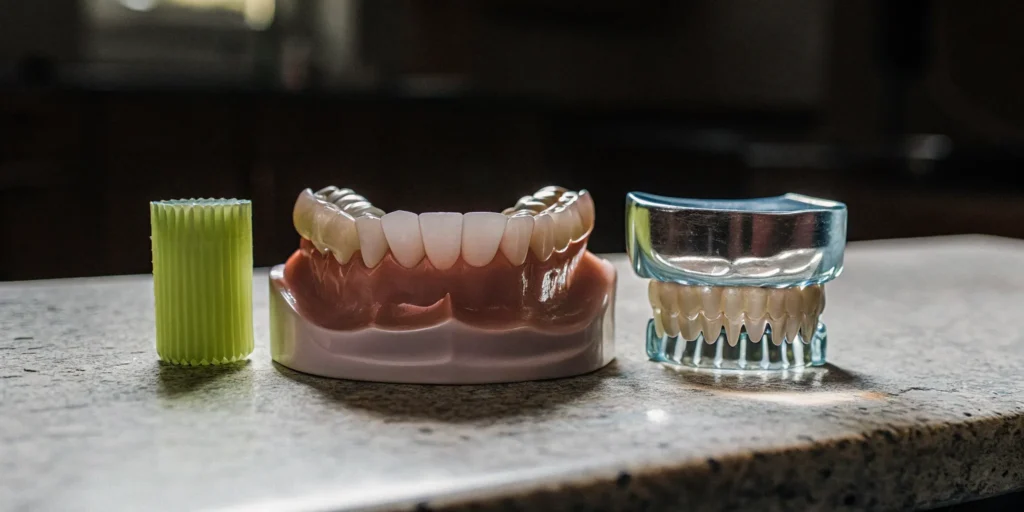
If you’ve worn traditional dentures, you already know they come with their own set of recurring expenses. Between the costs of adhesives, regular relining appointments, and the need for a full replacement every seven to ten years, the long-term financial commitment can be much higher than it first appears. When you ask, “how much do implant supported dentures cost,” it’s helpful to frame it as a long-term investment rather than a one-time expense. This treatment is designed for permanence and stability, eliminating many of the ongoing costs associated with conventional options. We’ll explore the financial side of this life-changing solution, comparing the upfront investment to the lifetime value you receive in function, health, and confidence.
Key Takeaways
- Think beyond the initial price tag: While implant-supported dentures cost more upfront, they are a durable solution designed to last for many years. This long-term value helps you avoid the repeated costs of traditional denture replacements and also protects your jawbone health.
- Know what shapes your final cost: Your total investment is unique to you and depends on several key factors. The number of implants you need, your choice of materials like acrylic or zirconia, and any necessary prep work (like bone grafting) all play a role in the final price.
- Create a clear financial game plan: Start by getting a pre-treatment estimate from your dentist to see what insurance will cover. From there, you can confidently explore financing options like in-house plans, third-party lenders, or using your FSA and HSA funds to cover the rest.
What Are Implant-Supported Dentures?
If you’re tired of the daily challenges that come with traditional dentures, implant-supported dentures might be the solution you’ve been looking for. Think of them as a hybrid: they combine the full-arch coverage of a denture with the security of dental implants. Instead of resting on your gums and relying on adhesives, this type of denture is anchored directly to titanium posts that have been surgically placed in your jawbone. This creates an incredibly stable foundation that prevents the slipping, clicking, and discomfort many people experience with conventional dentures.
This modern approach to restoring lost teeth is designed to feel and function much more like your natural teeth. Because the implants are integrated with your bone, they also help preserve your jaw structure and prevent the bone loss that often occurs after teeth are lost. For many, making the switch is a transformative experience that restores not just their smile, but their confidence in everyday situations like eating dinner with friends or speaking in a meeting. A specialist can determine if you have enough healthy jawbone to support the implants and create a personalized treatment plan.
Implant-Supported vs. Traditional Dentures
The biggest difference between implant-supported and traditional dentures comes down to one word: stability. Traditional dentures sit on top of your gums, which means they can shift or become loose when you eat or talk. This often limits what you can eat and can make you feel self-conscious. In contrast, implant-supported dentures are securely attached to dental implants in your jaw. They don’t move. This allows you to eat your favorite foods with confidence and speak without worrying about your teeth slipping. While traditional dentures have a lower upfront cost, they can’t match the security and natural feel that an implant-supported solution provides for your long-term dental function.
Fixed or Removable: Which Option Fits Your Life?
When you choose implant-supported dentures, you have another choice to make: do you want them to be permanently fixed in place or removable? Fixed dentures, often called All-on-4, are screwed onto the implants by your dentist and stay in your mouth 24/7. You brush them just like natural teeth. Removable options, sometimes called implant overdentures, snap securely onto the implants but can be taken out at night for cleaning. Both provide a huge improvement in stability over traditional dentures. Your decision often comes down to personal preference, lifestyle, and what makes you feel most comfortable with your daily hygiene routine.
Breaking Down the Cost of Implant-Supported Dentures
Let’s talk about the numbers. Understanding the cost of implant-supported dentures is a huge part of the decision-making process. While the final price tag depends on your unique situation, we can look at some general figures to give you a clearer picture. Think of these as a starting point for a conversation with your dentist, who can provide a precise estimate based on your specific needs. The total investment reflects not just the materials but the specialized skill required to restore your smile’s function and appearance for the long haul.
Average Cost Per Arch
When looking at just one arch, meaning either your upper or lower set of teeth, the price can vary. Recent industry data shows the average cost for a single arch of implant dentures is around $8,289. However, this is just a ballpark figure. The actual price can range anywhere from about $7,600 to over $13,000. This variation accounts for differences in materials, the number of implants needed, and the complexity of your case. It’s a wide range, which is why a personal consultation is so important to determine where you might fall on that spectrum.
Cost for a Full Mouth Restoration
If you need to replace both your upper and lower teeth, you’re looking at a full mouth restoration. As you might expect, this is a more involved process with a higher price point. A full guide on the topic shows that a complete set of implant-supported dentures can range from $15,000 to $30,000 per jaw. For a full mouth, the total investment could exceed $50,000. While that number can feel intimidating, it reflects a comprehensive, life-changing procedure that completely restores your smile. It’s a permanent solution designed to last for many years to come.
The Long-Term Cost: Implant-Supported vs. Traditional Dentures
The initial price of implant-supported dentures is higher than traditional ones, but it’s helpful to think about the long-term value. Traditional dentures often require relining, adjustments, and even full replacement every seven to ten years. Those recurring expenses can add up over a lifetime. In contrast, dental implants are designed for durability, making them a more cost-effective choice in the long run for many people. A detailed cost comparison highlights that while implants require proper care, they don’t have the same replacement cycle as traditional dentures, making them a sound investment in your future health and confidence.
What Determines the Final Cost?
When you start researching implant-supported dentures, you’ll quickly find that there isn’t a single, one-size-fits-all price tag. The final cost is a reflection of your unique dental needs and the specific treatment plan designed to restore your smile. Think of it less like buying a product off the shelf and more like commissioning a custom piece of art that is also a functional medical device. Several key factors influence the total investment, from the number of implants required to the materials you choose. Understanding these components will help you see exactly where your money is going and appreciate the value of a personalized, high-quality restoration.
The Number of Implants You Need
The foundation of your new smile is the dental implants, and the number you need is a primary factor in the overall cost. A plan to restore lost teeth might involve just a few implants to support a partial denture or a full set of four to six implants per arch for a complete restoration, like an All-on-4. The more implants required to create a stable and secure base for your dentures, the higher the initial investment will be. Your dentist will determine the ideal number based on your jawbone health, the type of denture you’re getting (fixed or removable), and the long-term functional goals for your bite and smile.
Your Choice of Materials
The materials used for your final restoration play a significant role in both the cost and the outcome. Implants are typically made from biocompatible titanium, but the denture teeth themselves can be crafted from different materials, such as acrylic or zirconia. While acrylic is a more traditional and budget-friendly option, zirconia offers superior durability and a remarkably lifelike appearance. Zirconia resists chipping and staining, and its translucent quality mimics natural tooth enamel perfectly. Investing in high-end materials aligns with a commitment to natural aesthetics, ensuring your new smile is not only functional but also beautifully indistinguishable from real teeth.
Preliminary Treatments like Bone Grafting
Before implants can be placed, your mouth needs to be a healthy and stable environment. For some patients, this requires preliminary procedures that add to the total cost. If you’ve had missing teeth for a while, you may have experienced bone loss in your jaw, which requires a bone graft to create enough density to support an implant. Other necessary treatments might include tooth extractions or periodontal therapy to address gum disease. While we always prioritize saving natural teeth whenever possible, these preparatory steps are sometimes essential for ensuring the long-term success and stability of your implants.
Your Dentist’s Location and Expertise
Just as the cost of living varies by location, so does the cost of dental services. However, a far more critical factor is the skill and training of your provider. A general dentist may offer implants, but a prosthodontist is a specialist who has completed years of additional, intensive training focused specifically on complex tooth replacement and restoration. Choosing a prosthodontist like Dr. Clark means you are paying for a higher level of expertise in both the surgical and restorative phases of treatment. This specialized knowledge is invaluable for achieving predictable, functional, and beautiful results, especially in full-mouth cases.
The Advantage of an In-House Lab
One of the most significant factors that can influence cost, quality, and convenience is whether your dentist has an in-house dental lab. Many dental practices outsource the creation of dentures to a third-party lab, which can add time and extra costs to your treatment. A practice with its own dedicated lab eliminates that third-party markup and streamlines the entire process. Dr. Clark can work directly with his on-site lab technician, allowing for real-time adjustments and perfect customization of your restoration’s fit, shape, and color. This close collaboration not only produces a superior result but also makes the process more efficient for you.
Will Insurance Cover Implant-Supported Dentures?
Figuring out dental insurance can feel like a puzzle, especially when it comes to advanced treatments like implant-supported dentures. The short answer is: it depends entirely on your specific plan. While some plans offer partial coverage, it’s rare for them to cover the entire cost. The key is to understand the fine print of your policy before you begin treatment.
Think of it this way: your insurance plan has its own set of rules for what it considers essential versus optional. Our goal is to help you understand those rules so you can make the most of your benefits. By knowing what to look for and what questions to ask, you can get a clear picture of your out-of-pocket costs and plan your investment with confidence. Let’s walk through the most important factors that influence insurance coverage for this life-changing treatment.
Understanding What Your Plan May Cover
Most dental insurance plans draw a line between different types of procedures. They might offer some coverage for the denture portion of your treatment, but view the dental implants themselves differently. It’s common for plans to provide partial coverage for implants, but you shouldn’t expect them to pay for the full procedure. Instead of asking if your plan covers implants, it’s more productive to find out how much it will contribute. This way, you can accurately budget for the remaining balance. This treatment is a significant step in restoring lost teeth, and understanding your financial path is the first step.
Watch Out for Common Exclusions
When you review your insurance policy, pay close attention to the exclusions list. Many insurance providers classify dental implants as a “major” procedure. Some may even consider them cosmetic, especially if they replace teeth in a way that primarily improves your smile’s aesthetics. Because most basic dental plans focus on preventive care like cleanings and fillings, they often exclude or strictly limit coverage for major restorative work. You might also find a “missing tooth clause,” which means the plan won’t cover the replacement of a tooth that was lost before your coverage began. Reading your plan document carefully will help you spot these potential roadblocks early on.
Know Your Annual and Lifetime Maximums
Every dental insurance plan has an annual maximum, which is the absolute most it will pay for your dental care in a single year. For many PPO plans, this cap is around $1,500 to $2,500. Since a single dental implant can cost more than that, you can see how quickly you might reach your limit. Furthermore, some plans have a separate lifetime maximum for specific treatments like implants. For example, your plan might cover 50% of implant costs but cap its total payout at $2,000 for your entire life. When planning for a full mouth reconstruction, understanding these limits is essential for managing your budget.
How to Confirm Your Coverage Before Treatment
The best way to avoid surprises is to get answers directly from the source. First, call your insurance provider and ask them specific questions. You’ll want to know your coverage percentage for both the dental implants and the denture, your remaining annual maximum, and if you have a lifetime maximum for implants. Second, let our team help. We can submit a pre-treatment estimate on your behalf. This is a formal request to your insurance company that details Dr. Clark’s treatment plan. In response, they will send back a document outlining exactly what they expect to cover. Our experienced office team is here to help you with this process every step of the way.
Making the Most of Your Dental Insurance
Figuring out dental insurance can feel like a puzzle, especially when you’re planning for a significant treatment like implant-supported dentures. While most insurance plans are designed for routine care, many do offer some coverage for major restorative procedures. The key is to understand your specific benefits and create a clear financial plan before you begin. Knowing what to expect allows you to focus on the most important part: getting a healthy, functional smile you love.
Our team is here to help you with this process. We can review your benefits and submit the necessary paperwork to your insurance provider on your behalf. By working together, we can create a strategy that helps you get the most from your coverage while you invest in a lasting solution for restoring lost teeth. The goal is to eliminate surprises so you can move forward with confidence.
Always Get a Pre-Treatment Estimate
Before committing to any treatment, the best first step is to request a pre-treatment estimate from your insurance company. Think of this as a detailed quote that outlines exactly what your plan will and will not cover for your specific procedure. Our office will submit your treatment plan and all the necessary documentation to your insurer for you. They will then send back a breakdown of your benefits, including any deductibles, co-payments, and how much they will contribute toward the cost. This document is the most reliable way to understand your out-of-pocket expenses ahead of time, giving you a clear financial picture from the start.
Plan Your Treatment Timing
Many dental insurance plans have an annual maximum, which is the total amount of money the plan will pay for your care within a single year. If your treatment is extensive, it’s sometimes possible to schedule it in phases across two calendar years. For example, you might have the implants placed at the end of one year and the final denture attached at the beginning of the next. This strategy allows you to use your annual maximum from two separate benefit periods, which can significantly reduce your overall out-of-pocket cost. We can help you explore if this approach makes sense for your treatment plan and timeline.
Look into Supplemental Insurance
Since many standard dental plans offer limited coverage for implants, you might want to explore supplemental insurance. These are separate policies you can purchase to help cover services that your primary insurance doesn’t, such as major restorative work. While there isn’t a specific “dental implant insurance,” some supplemental plans offer benefits that can be applied toward the cost. If you consider this route, be sure to read the policy details carefully. Pay close attention to waiting periods, annual maximums, and what procedures are specifically included or excluded to ensure it’s the right fit for your needs.
Exploring Your Financing Options
Thinking about the cost of a significant dental procedure can feel overwhelming, but please don’t let it stop you from exploring your options. A healthy, confident smile is within reach, and there are several practical ways to manage the investment. Many dental practices, including ours, are committed to helping you find a financial path that works for your budget. The key is to have an open conversation about your needs so we can find the right solution together.
Ask About In-House Payment Plans
One of the most direct ways to make treatment more affordable is through a payment plan. Many dental offices offer in-house financing to break down the total cost into a series of manageable monthly payments. This approach helps you get the care you need now without the stress of paying the full amount all at once. We believe in a patient-first approach and encourage you to ask our team about the flexible payment options we have available. We can walk you through the process and help you understand how a plan can fit comfortably into your financial picture.
Consider Third-Party Financing
Beyond in-house plans, third-party financing companies offer another excellent route for funding your dental work. These specialized lenders, such as CareCredit, partner with dental providers to offer financing solutions specifically for healthcare expenses. A common strategy is to apply your dental insurance benefits first to reduce the total amount, and then finance the remaining balance. This spreads the cost over time, often with promotional periods that have low or no interest. It’s a popular and effective way to make your dream smile a reality without delay.
Use Your FSA or HSA
If you have a Flexible Spending Account (FSA) or Health Savings Account (HSA) through your employer, you have a powerful tool for paying for your implant-supported dentures. These accounts allow you to set aside pre-tax money for qualified medical and dental expenses. While dental insurance coverage for implants can sometimes be limited, you can use your FSA or HSA funds to cover out-of-pocket costs, including your deductible, co-pays, and any portion of the treatment not covered by insurance. Using these tax-advantaged accounts is a smart way to make your dollars go further.
Are Implant-Supported Dentures a Good Investment?
When you see the price tag for implant-supported dentures, it’s natural to wonder if they’re truly worth it. Thinking of this decision as an investment, rather than just a purchase, can help you see the full picture. The value of implant-supported dentures goes far beyond the initial cost. It’s about investing in a durable, long-term solution that can dramatically improve your daily life, from the foods you eat to the confidence you feel when you smile.
While traditional dentures might seem more affordable at first, they often come with recurring costs for replacements, relines, and adhesives. Implant-supported dentures, on the other hand, are designed for stability and longevity. By looking at the long-term benefits for your health, your confidence, and even your wallet, you can make an informed choice that feels right for you. Let’s break down what makes this option such a compelling investment for so many people.
The Value of a Long-Lasting Solution
While implant-supported dentures have a higher upfront cost than traditional dentures, they offer incredible long-term value. The titanium implants that anchor your denture are designed to fuse with your jawbone, becoming a permanent part of your mouth that can last a lifetime with proper care. This durability means you can avoid the cycle of replacing your dentures every seven to ten years, which is typical for conventional options.
Over time, the costs of those replacements can add up, potentially making traditional dentures more expensive in the long run. Investing in a solution that is built to last not only provides peace of mind but also offers a more predictable financial path for restoring lost teeth. It’s a choice that prioritizes permanence and stability from day one.
Benefits for Your Health, Confidence, and Lifestyle
Patients who switch from traditional dentures to an implant-supported option often describe the change as life-altering. Because the denture attaches directly to implants in your jaw, you get a level of stability that conventional dentures simply can’t match. This means no more worrying about your teeth slipping while you eat, talk, or laugh. You can enjoy your favorite foods again and speak with total confidence.
Beyond the functional perks, implants play a crucial role in your oral health. They stimulate the jawbone just like natural tooth roots do, which prevents the bone loss that typically occurs after teeth are lost. This helps preserve your facial structure and maintain a more youthful appearance. Restoring the full function of your bite is an investment in your overall well-being.
Factoring in Future Maintenance
No dental solution is completely maintenance-free, and it’s important to have realistic expectations. Quality traditional dentures generally last seven to ten years and require periodic adjustments as your jaw changes. Implant-supported dentures also require ongoing care to ensure they last. While the implants themselves are permanent, the denture that attaches to them may need to be serviced or replaced over the years due to normal wear and tear.
Both options depend heavily on your commitment to good oral hygiene and regular professional check-ups. Poor hygiene can lead to problems like gum inflammation around the implants. By partnering with your dentist and maintaining a solid home-care routine, you can protect your investment and ensure your new smile stays healthy for years to come, following the same principles required for saving natural teeth.
How to Choose the Right Dentist for Your Implants
Choosing the right dentist for your implant-supported dentures is one of the most important decisions you’ll make in this process. This isn’t just about finding someone to place the implants; it’s about finding a partner who understands your goals for your smile, health, and confidence. The right expert will not only have the technical skill for a beautiful outcome but will also guide you with clear communication and support. You’re making a significant investment in your quality of life, and you deserve a dental team that honors that.
Look for a Specialist’s Credentials
When you’re looking for someone to handle a complex procedure like restoring lost teeth, you want a true expert. Look for a prosthodontist, a dental specialist with years of additional training focused on intricate tooth replacement and restoration. A specialist’s credentials show they have dedicated their career to mastering these exact procedures. They can confidently walk you through your options, explain the process in detail, and help you feel secure in your treatment plan. A qualified professional will be transparent about every step, ensuring you have the information you need to make the best choice for your health.
Evaluate Their Technology and Pricing Transparency
The technology a dental practice uses can make a huge difference in your experience and results. For example, a practice with an in-house dental lab can offer a more streamlined process and highly customized restorations, since the dentist and technician can collaborate directly on your case. Beyond the tech, pay attention to how the office handles finances. A trustworthy team will provide a clear, itemized cost breakdown and help you understand what to expect. Since insurance coverage for implants can be limited, this kind of pricing transparency is essential for planning your budget and avoiding any unwelcome surprises down the road.
Key Questions to Ask During Your Consultation
Your consultation is your opportunity to interview a potential dentist and make sure they’re the right fit. Don’t be afraid to come prepared with questions. Ask about their specific experience with implant-supported dentures, what the treatment timeline looks like, and what materials they recommend. It’s also the perfect time to discuss finances. Ask for a pre-treatment estimate and have the office staff help you clarify your insurance benefits. Understanding your potential out-of-pocket costs upfront will empower you to move forward with confidence and a clear financial plan.
Discuss Your Options for Implant-Supported Dentures in Roseville
Choosing the right path for restoring your smile is a significant decision, and you deserve a solution that fits your health, budget, and lifestyle. While online research provides a great starting point, the most important step is a personal conversation with an expert who can assess your unique situation. If you are in the Roseville area, finding a specialist who focuses on complex restorative cases is key to achieving a result that is both beautiful and built to last.
As a prosthodontist, Dr. Jefferson Lee Clark has advanced training specifically in creating durable, lifelike tooth replacements. His approach combines a deep understanding of dental aesthetics with the functional mechanics of a healthy bite. This ensures your new smile doesn’t just look natural; it feels and works like it, too. Our practice is also home to an in-house dental lab, giving us complete control over the quality and customization of your dentures from start to finish. This direct collaboration between dentist and technician is rare, and it allows for a level of precision that is difficult to achieve otherwise.
A one-on-one consultation is the best way to get clear answers about your specific costs, treatment timeline, and what you can expect from the final result. We invite you to schedule a visit with Dr. Clark to discuss your goals and create a personalized plan for restoring your smile and confidence.
Frequently Asked Questions
How long does the entire process for getting implant-supported dentures take? The timeline is different for everyone because it’s a multi-stage process that depends on your body’s healing. After the implants are placed, they need several months to fully integrate with your jawbone. This healing period is essential for creating a strong foundation. Once healed, the process of creating and fitting your final custom denture can begin. A personal consultation will give you the clearest picture of your specific timeline from start to finish.
What if I’ve been told I don’t have enough jawbone for implants? This is a common concern, especially if you have been missing teeth for a long time. The good news is that not having enough bone doesn’t automatically disqualify you. A specialist can often perform a bone graft, a procedure that adds volume and density back to your jaw. This creates the healthy, stable foundation needed for implants to be successful. It’s a routine preparatory step that makes this solution possible for many more people.
How do I clean and maintain my implant-supported dentures? Your daily cleaning routine will depend on whether your dentures are fixed or removable. If they are permanently fixed in place, you will brush them just like you would natural teeth. If you have a removable overdenture, you will snap it out each night to clean the denture and the underlying implants thoroughly. Regardless of the type, regular professional check-ups are crucial to ensure the health of your gums and the long-term success of your investment.
Why is the price so different from one dental office to another? The variation in cost often reflects the provider’s level of expertise, the quality of the materials, and the technology used. A prosthodontist, for example, has years of specialized training in complex restorations compared to a general dentist. The price also accounts for the materials used for your final denture, such as lifelike zirconia versus standard acrylic. A practice with an in-house lab can also provide a higher level of customization and efficiency, which contributes to the overall value.
Is the procedure to get dental implants painful? Your comfort is a top priority during the procedure. The implant placement is a surgical process performed with effective local anesthesia, so you shouldn’t feel pain during the appointment. Afterward, it’s normal to experience some soreness and swelling, similar to other dental surgeries. This discomfort is typically manageable with over-the-counter pain relievers and usually subsides within a few days. Your dentist will provide detailed instructions for post-operative care to ensure your recovery is as smooth as possible.